

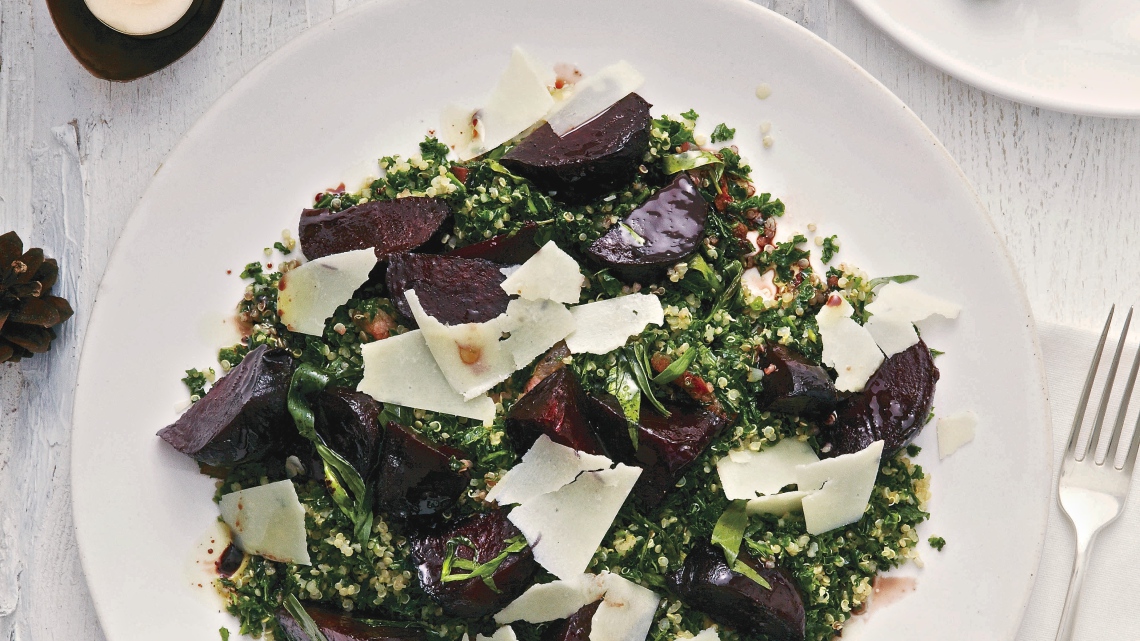
Balsamic Roasted Beetroot, Quinoa and Kale
Serves 4
Ingredients
750 g cooked beetroot
20 g tarragon
150 g quinoa
150 g pancetta
300 g finely sliced kale
4 cloves garlic
150 g piece pecorino
Method
Preheat the oven to 200° C. Cut each beetroot into 6 or 8 wedges. Place 150 ml balsamic vinegar, 40 g brown sugar, 2 tablespoons olive oil, salt and pepper in to a roasting tray. Add the beetroot, mixing the ingredients well, and roast in the oven for 15 minutes. Pick the tarragon leaves; add them to the beetroot once they have been roasted. Set aside.
Place the quinoa in a small pot and cover with water. Bring to the boil, lower the heat and cook gently for about 15 minutes until tender. Drain off through a sieve and set aside.
Cut the pancetta into lardons and finely chop the garlic. Heat a frying pan with 2 tablespoon olive oil on medium heat. Add the pancetta to the pan and fry for about 5 minutes until golden. Remove the pancetta from the pan and set aside. Lower the heat; add the garlic and kale and fry for about 3 minutes until the kale has wilted.
Mix the kale, pancetta and quinoa together and season with salt and pepper. Spoon the mixture onto a serving platter and top with the beetroot. Scatter with shaved pecorino and spoon over the beetroot juices.
We, the Amsterdam Flavours chefs, hope you enjoy this recipe as much as we do. If you have any questions on how to prepare it or just want to send us your feedback, you can reach us here Contact Amsterdam Flavours

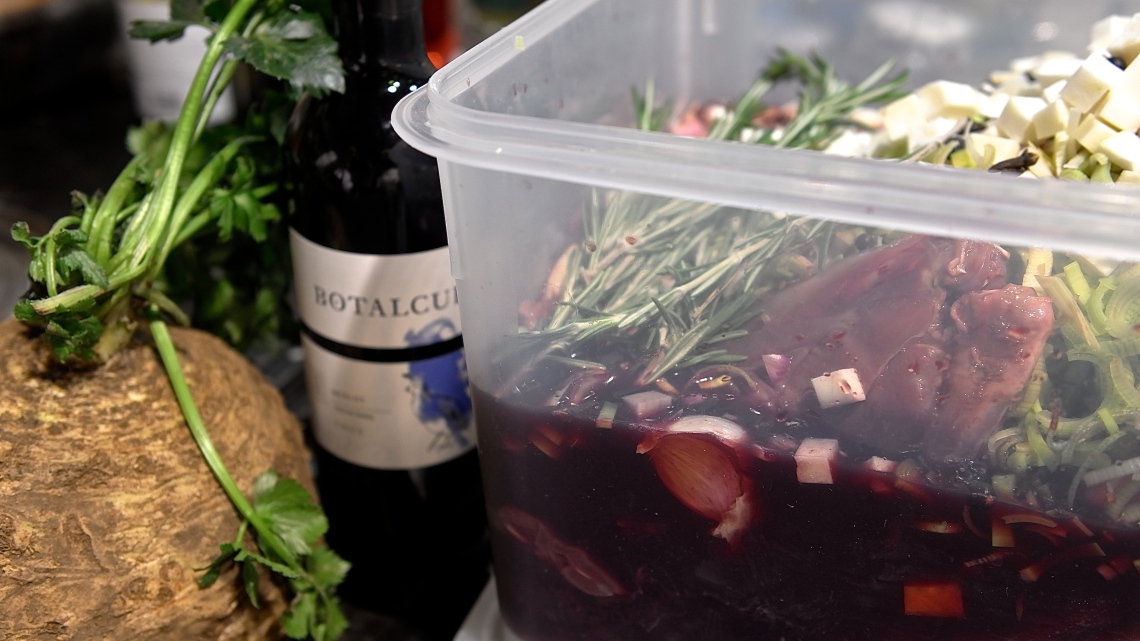
Hazenpeper - Hare Stew
Ingredients
4 hare legs
1, 5 bottles red wine
1 head of garlic, peeled
1 carrot, diced
1 red onion, finely chopped
200 g celeriac, diced
1 leek, finely chopped
4 sprigs of thyme
4 sprigs of rosemary
8 cloves
8 juniper berries
2 bay leaves
olive oil
butter
salt
black pepper
flour
4 slices onbijt cooked (ginger or spice cake), crumbled
Method
Mix together the red wine, peeled garlic cloves, carrot, onion, celeriac, leek, thyme, rosemary, cloves, juniper berries and bay leaves. Add the hare legs and marinate the hare legs for 24- 48 hours.
Remove the hare from the marinade and pat dry. Strain the marinade and keep the vegetables and herbs separately.
Heat a casserole or oven proof pan with some olive oil and a knob of butter. Brown the hare on all sides until nicely caramelised. Remove from the pan and set aside.
Add the strained vegetables and herbs to the pan and fry for about 5-10 minutes. Add 1 tablespoon flour and fry for 1 minute. Pour in the reserved red wine from the marinade, the hare legs and a good seasoning of salt and pepper.
Bring to the boil, cover with a lid and place in a 140° C oven for about 3 hours until the meat is tender.
Remove the hare from the pan and pour the liquid through a sieve. Pick the meat from the bones.
Bring the sauce to a boil, whisk in the crumbled onbijtkoek (ginger or spice cake) and a knob of butter. Check the seasoning, adding more salt and pepper if necessary. Return the meat to the sauce to reheat.
Serve the hare stew with creamy mashed potatoes and braised red cabbage.
The stew also freezes well and can be made ahead of time.
We, the Amsterdam Flavours chefs, hope you enjoy this recipe as much as we do. If you have any questions on how to prepare it or just want to send us your feedback, you can reach us here Contact Amsterdam Flavours


Plenty More - Yotam Ottolenghi
As most of you know by now, we are HUGE Ottolenghi fans. We love his creative use of simple ingredients, especially vegetables and is combinations of Middle Eastern spices.
Plenty More has been out for a while now. It's the sequel to Ottolenghi's immensely popular Plenty. The book has been categorised into cooking methods, again with the most tantalising and beautifully photographed recipes.
The best way to review a book, in our opinion, is to cook out of it. And that's just what we did! We made the Fig Salad for lunch and it was just delicious. Here is the recipe:
Yotam Ottolenghi's Fig Salad
Ingredients
2 small red onions (200g in total)
3 Tablespoons olive oil
50g hazelnuts, skin on
60g radicchio leaves, roughly torn
40g basil
6 large ripe figs (300g in total)
1 Tablespoon balsamic vinegar
1/4 teaspoon cinnamon
salt and black pepper
Method
Preheat the oven to 220 C.
Peel and halve the onions, lengthways and cut each half into 3cm-wide wedges. Mix together with 1/2 tablespoon of olive oil, a pinch of salt and some black pepper and spread out on a baking tray. Roast in the oven for 20-25 minutes, stirring once or twice during cooking, until the onions are soft and golden and turning crispy in parts. Remove and set aside to cool before pulling the onions apart with your hands into bite-sized chunks.
Reduce the oven temperature to 160 C. Scatter the hazelnuts on a small roasting tray and toast for 20 minutes. Remove from the oven and, when cool enough to handle, roughly crush with the flat side of a large knife.
Assemble the salad on four individual plates. Mix the three leaves together and place a few on the bottom of each plate. Cut the figs lengthways into four or six pieces. Place a dew fig pieces and some roasted onion on the leaves. Top with more leaves and continue with the remaining fig and onion. You want to build up the salad into a small pyramid.
In a small cup, whisk together the remaining olive oil, vinegar and cinnamon with a pinch of salt and some black pepper. Drizzle this over the salad, finish with the hazelnuts and serve.
Chefs Notes
We loved the salad, fresh, sweet and full of flavour. We think it can do with a little mor roasted onion, but that's a personal preference.
Publisher: Fontaine Uitgevers
Author: Yotam Ottolenghi
Price: 29,95 euro
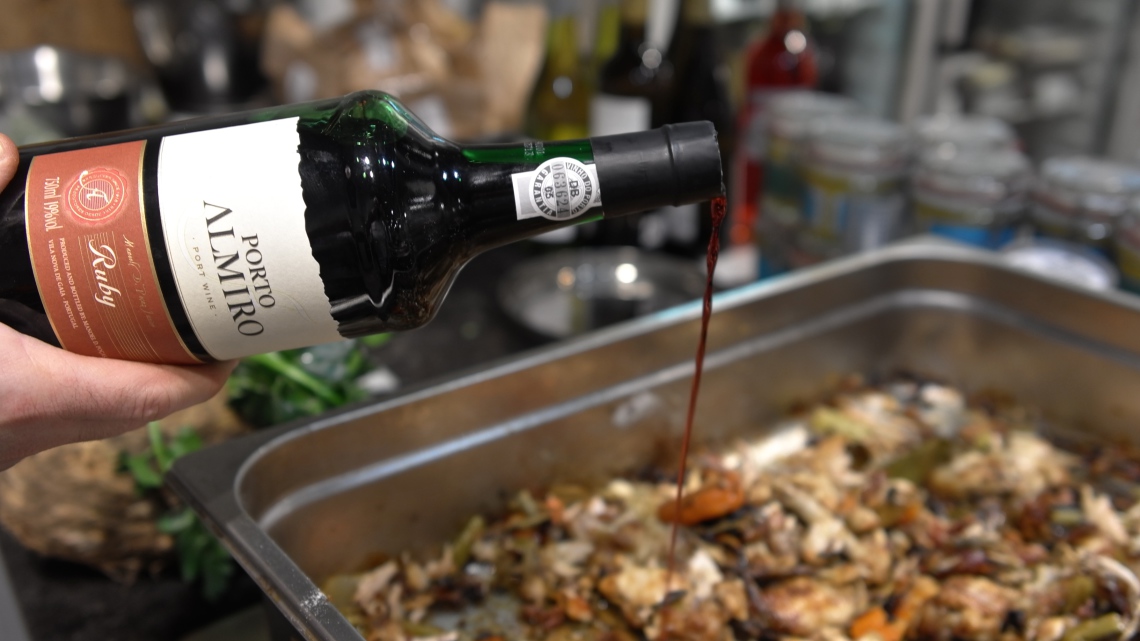
Gravy
This is a recipe we've adapted from Jamie Oliver for making your gravy ahead of time. It's really brilliant!
Makes 1 litre
Ingredients
2 celery sticks, trimmed and roughly chopped
2 carrots, roughly sliced
2 onions, peeled and quartered
5 fresh bay leaves
5 fresh sage leaves
4 sprigs of fresh rosemary
2 star anise
2 rashers of smoked streaky bacon
8 chicken wings
olive oil
sea salt
freshly ground black pepper
4 tablespoons plain flour
60 ml port
2 heaped dessert spoons cranberry sauce, for finishing
Method
Preheat the oven to 200º C. Put the vegetables, herbs and star anise into a roasting tray. Scatter the bacon on top. Cut the chicken wings in half to help release more of their flavour. Put them in the pan, drizzle with olive oil, sprinkle over a few pinches of salt and pepper then toss everything together and put the tray in the oven to cook for 1 hour, or until the meat is tender and falling off the bone.
Take the pan out of the oven, and put it on a hob over a low heat and use a potato masher break everything up. Keep mashing, moving and scraping all the goodness from the bottom of the pan as you go. Gradually mix in the flour to thicken the mixture. The longer you let everything fry, the darker your gravy will be. When the flour is combined add the port and cook until it has almost all but disappeared. Pour in 2 litres of hot water, turn the heat up and bring to the boil for 10 minutes, till thickened, then turn down the heat and simmer for about 25 minutes, stirring occasionally.
When it's reached the consistency you're looking for, check the seasoning then push it through a sieve into a large bowl. Really push and mash everything through so you get as much flavour as possible. Discard anything left behind. Once it has cooled down to room temperature put it into containers or freezer bags and pop it in your freezer. You'll finish it off on Christmas Day.
Finishing the gravy
To finish the gravy, take your it out of the freezer when you're ready to cook your turkey. That way, it will defrost as your turkey cooks. When the turkey is perfectly cooked, put a carving fork inside the cavity and use that to pick the bird up and tilt it over the pan so all of the juices inside run out.
Spoon away as much of the fat as possible, then pour your pre-made gravy into the pan with the rest of the turkey juices. Bring it to the boil over the hob and scrape all those flavourful bits and pieces from the bottom of the pan. Have a taste then add the cranberry sauce. It won't taste sweet but it will add a wicked background flavour.
Once your gravy is piping hot, strain it through a sieve and into a pan. Leave that on the lowest heat to keep warm until you're ready to serve. Skim away any fat that rises to the top and add any extra resting juices from the turkey before serving.
We, the Amsterdam Flavours chefs, hope you enjoy this recipe as much as we do. If you have any questions on how to prepare it or just want to send us your feedback, you can reach us here Contact Amsterdam Flavours
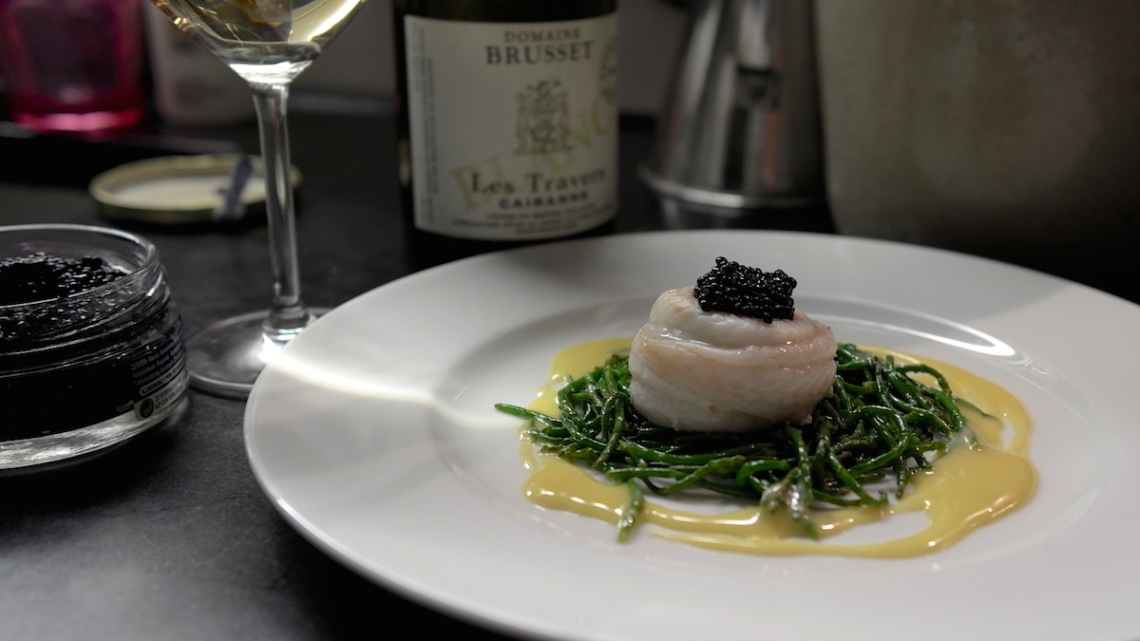
Sole and Scallop 'Roulades' with Samphire and Beurre Blanc
Serves 4 as a starter
Ingredients
4 sole fillets, skinned and cleaned (ask your fishmonger)
4 scallops, cleaned
200 g samphire, rinsed
small pot caviar (we use herring caviar)
salt and pepper
extra splash of white wine for cooking the roulades
Beurre Blanc
150 mlwhite wine or ½ white wine and ½ white wine vinegar
1 shallot, finely chopped
1 piece of mace
2 cloves
1 bay leaf
2 tablespoons cream or crème fraiche
150-200 g butter
Method
Heat a frying pan over medium high heat with 2 tablespoons olive oil. Season the scallops lightly with salt and pepper and fry for about 1 minute on each side until golden. Remove from the pan and allow to cool.
Lay the sole fillets on a work surface and season lightly. Roll a cooled scallop in each and place in a roasting dish (This can be done ahead of time and placed in the fridge). Preheat the oven to 180 C.
Make the beurre blanc. Pour the wine into a thick-based pan. Add the shallot, mace, cloves and bay leaf and bring to the boil. Allow to simmer until reduced to about 2 tablespoons.
Add the cream and allow to cook for a moment, lower the heat slightly and “mount” the sauce by whisking in the cold butter in small pieces, moving the pan from the heat when necessary so that the butter thickens and emulsifies. Season with salt and pepper, strain the liquid through a fine sieve and return to the pan. Leave in a warm place till needed.
Pour a splash of white wine around the fish and cook in the oven for about 10 minutes until the sole fillets are just cooked and the scallop warmed through. In the meantime, stir fry the samphire in a frying pan with a splash of olive oil for about 3 minutes until it still has a little bite and is bright green.
To plate, place a 'nest' of samphire on each plate. Set a roulade in the middle of each, top with a small teaspoonful of caviar and spoon the beurre blanc around.
NOTE: It’s best to finish the sauce with the butter just before you need it.
We, the Amsterdam Flavours chefs, hope you enjoy this recipe as much as we do. If you have any questions on how to prepare it or just want to send us your feedback, you can reach us here Contact Amsterdam Flavours
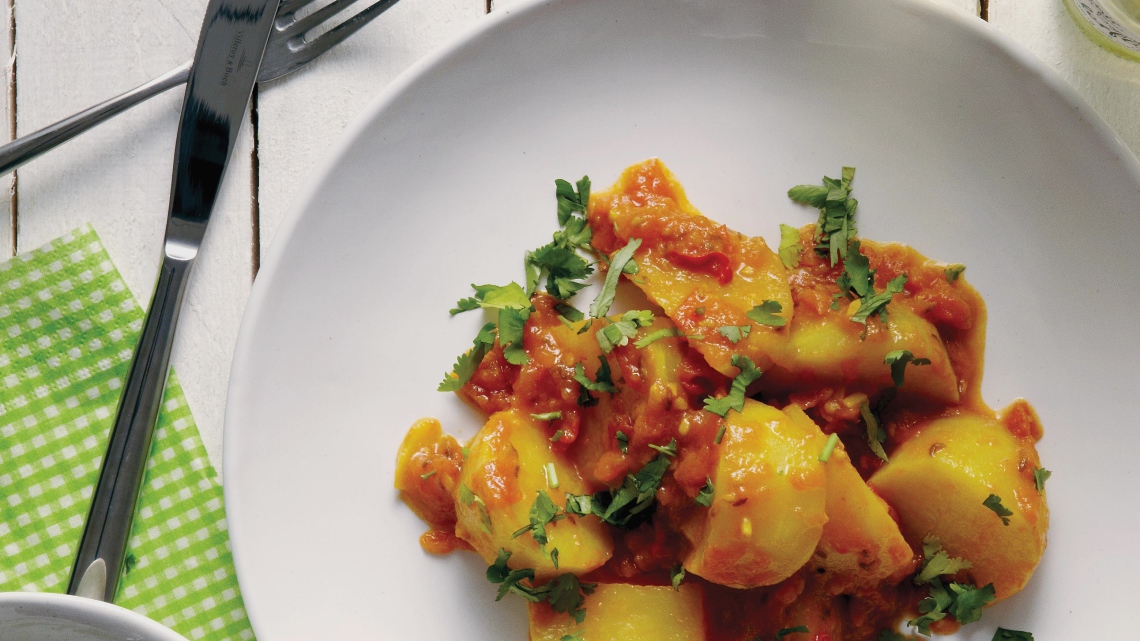
Spicy Kohlrabi
Kohlrabi is an unsual vegetable which isn't well known. You've probably seen at at the green grocers but have never know what to do with it. Well, here's an easy and flavour vegetarian recipe with kohlrabi as the star.
Serves 4
Ingredients
1,3 kg kohlrabi
1 teaspoon cumin seeds
1 heaped teaspoon turmeric
3 cloves garlic
1 red chilli pepper
6-8 tomatoes
small bunch coriander
300 g basmati rice
4 Tablespoons olive oil
salt and pepper
Method
Bring a small pot of salted water to the boil for the rice. Slice the ends off the kohlrabi and peel. Cut each into 8 pieces. Finely slice the chilli into rings and finely chop the garlic. Cube the tomatoes.
Heat a frying pan over medium-high heat. Add 4 tablespoons olive oil to the pan, followed by the chilli pepper and garlic. Fry briefly and then add the kohlrabi. Fry for 1 minute. Add the cubed tomatoes.
Add the cumin seeds and turmeric, a pinch of salt and 150 ml water to the pan. Cover with a lid and cook gently for 20-30 minutes until the kohlrabi is tender (the point of a knife should pierce through easily).
Add the rice to the small pan and boil for 8-10 minutes. Drain off the water and keep the rice warm.
Finely chop the coriander and stir half through the rice. Place the rice in a serving bowl.
Divide the spicy kohlrabi between 4 plates. Scatter with the remaining coriander and serve the rice on the side.
We, the Amsterdam Flavours chefs, hope you enjoy this recipe as much as we do. If you have any questions on how to prepare it or just want to send us your feedback, you can reach us here Contact Amsterdam Flavours
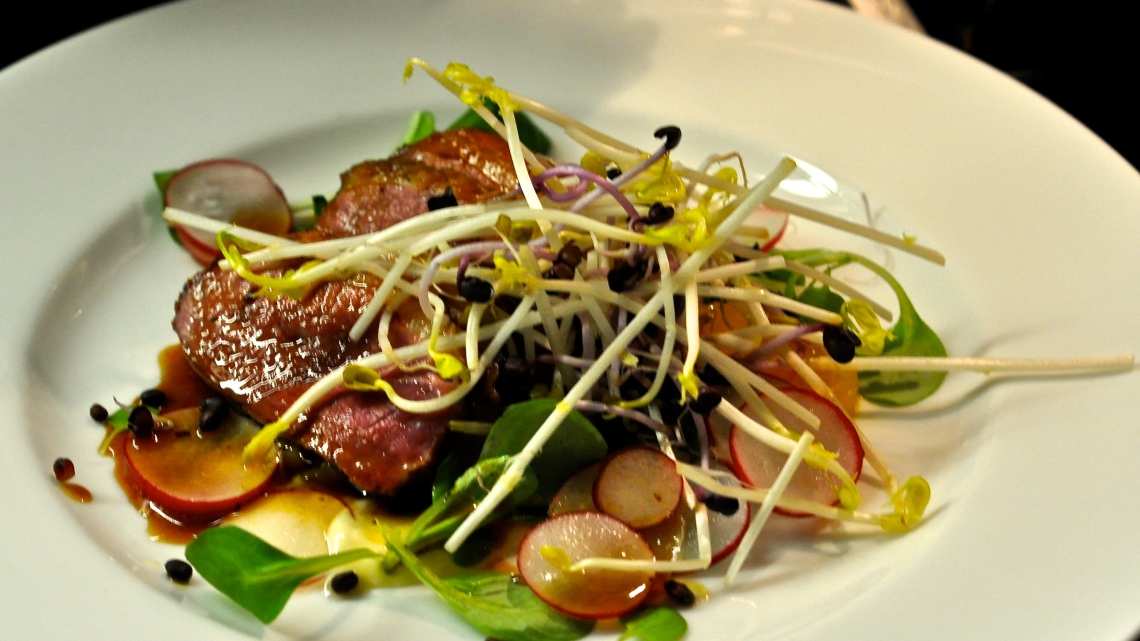
Duck Salad with Preserved Lemon Aioli
Serves 4
Ingredients
4 duck breasts
salt and pepper
2 oranges, peeled and segmented
small bunch of radishes, finely sliced
75 g lamb's lettuce
1 container pea shoots
1 container beetroot cress
Preserved Lemon Aioli
75-100 g preserved lemon (or to taste)
1 large clove garlic
2 egg yolks
1 teaspoon lemon juice
salt
250 ml sunflower oil
Dressing
2 tablespoons orange juice
2 teaspoons soy sauce
2-4 teaspoons honey (or to taste)
Method
Preheat the oven to 180 C. Begin with the aioli. Finely chop the preserved lemon and garlic. Place in a magimix (food processor) with the egg yolks, lemon juice and salt, to taste. Blend until the mixture is smooth. With the motor running, slowly pour the sunflower oil in until the ingredients have emulsified and formed a mayonnaise. Check the seasoning and set aside.
Place all the dressing ingredients in a bowl and whisk to combine.
Score the fat of the duck diagonally with a small sharp knife, making sure you don't cut into the meat. Season with salt and pepper. Heat a non-stick frying pan over a medium-low heat and fry the duck, fat side down in a dry pan to render as much of the fat of as you can.
As the fat accumulates, carefully pour it off into a bowl. After about 5 minutes when the fat has cooked away and has turned golden brown, increase the heat of the pan to high, flip the duck over and fry on the meat side for 1 minute. Transfer to a roasting dish. Place in the oven for about 8 minutes. You want the duck to still be pink. Remove from the oven and rest for about 5 minutes.
Place a spoonful of the aioli on the base of each plate, spreading it out a little. Arrange the orange segments, radishes and lamb's lettuce on top. Slice the duck breasts and arrange them on top. Drizzle with the orange dressing, top with the pea shoots and beetroot cress and serve.
We, the Amsterdam Flavours chefs, hope you enjoy this recipe as much as we do. If you have any questions on how to prepare it or just want to send us your feedback, you can reach us here Contact Amsterdam Flavours

Roasted heritage beetroot
Get your beet on! As a side for dinner tonight, try roasting some heritage beetroot. Line an oven tray with a long piece of foil. Lay on the beet, add some whole, unpeeled garlic cloves, thyme, bay, olive oil, salt and pepper. Wrap up loosely with the foil and bake in the oven at 200C for about an hour or until the beets are tender. Peel and serve with a protein of your choice or turn into a salad with a vinaigrette, some herbs and goats cheese.
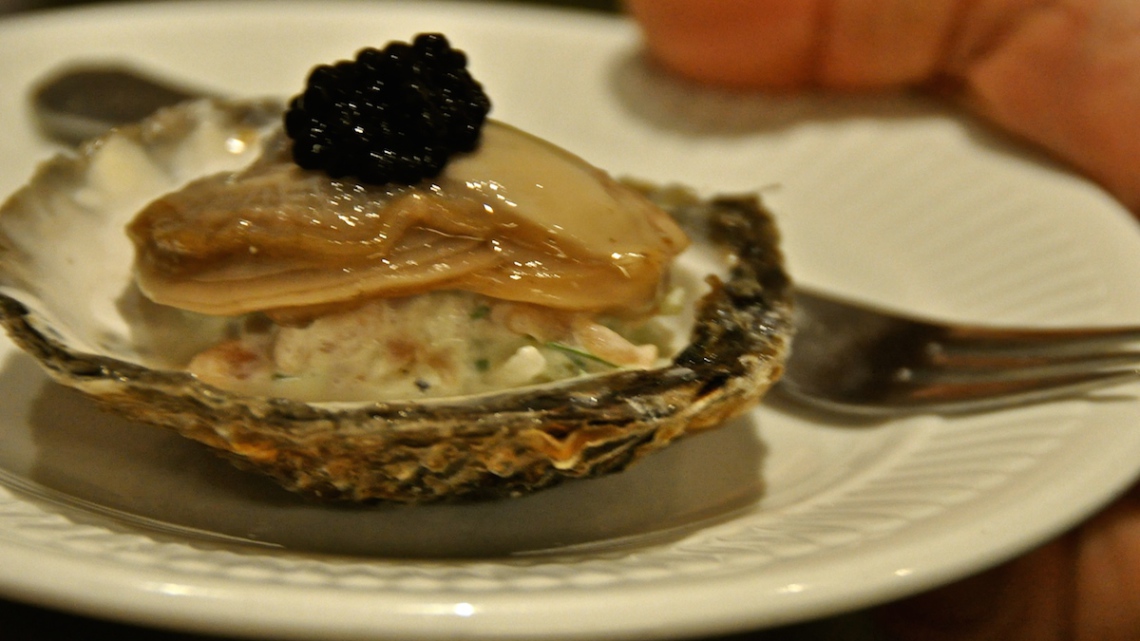
Chilled Oysters with Caviar
This is perfect to serve as a canapé or serve 3 to 4 as a starter.
Ingredients
1 cucumber, cut into thin julienne
2 slices of smoked salmon, cut into thin julienne
2 shallots, finely chopped
12 sprigs of dill, finely chopped
375ml crème fraiche
salt and pepper
lemon juice, to taste
24 Gironde oysters
1 pot Avruga caviar
Method
Gently mix the julienne of cucumber and smoked salmon with the shallots and dill. Season the crème fraiche with salt and pepper, add just enough of the crème fraiche to bind the cucumber mixture. Add a little lemon juice to taste.
Open the oysters and clean the deep half shells. Place the shells on four oyster plates and fill with the cucumber and salmon mixture.
Place the oysters back in their shells and add a teaspoon of caviar to each. Serve immediately.
For an alternate presentation, or if you don’t have any oyster plates, serve the oysters on a bed of very fine julienne of carrots, leeks and beetroot.
We, the Amsterdam Flavours chefs, hope you enjoy this recipe as much as we do. If you have any questions on how to prepare it or just want to send us your feedback, you can reach us here Contact Amsterdam Flavours
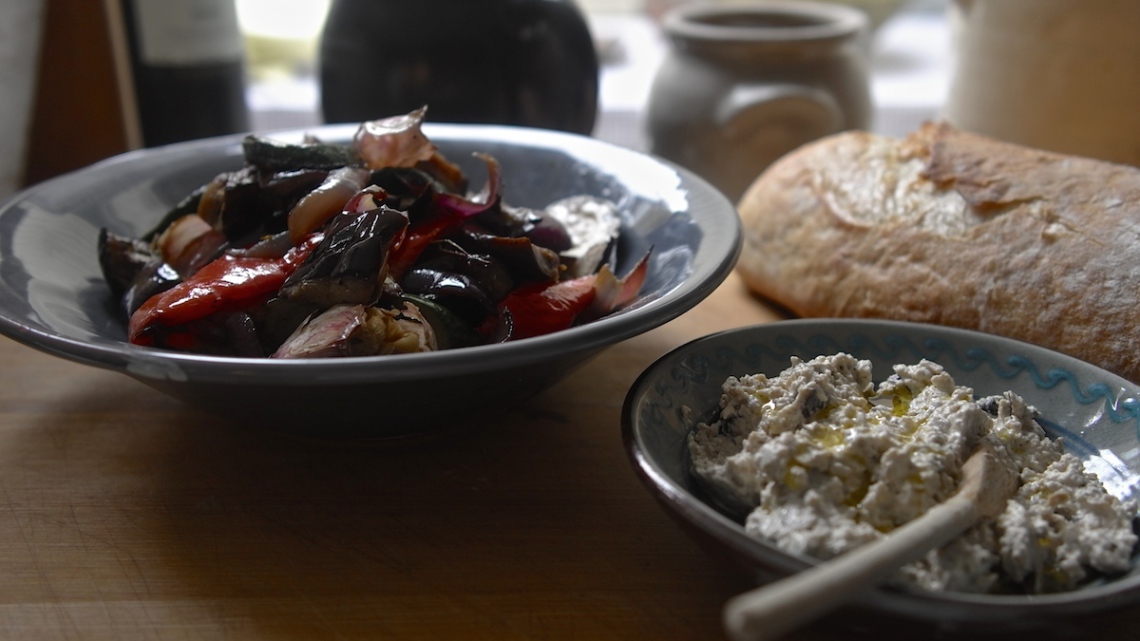
Weekend Lunch
Before you go to the market this weekend and restock your fridge with fresh produce, use up the vegetables you have left in the fridge for lunch. Here are 2 easy ways:
Roasted Vegetables
Heat the oven to 200 C. Roughly chop and aubergine, red pepper, courgette and a couple of red onions. Toss them in a roasting dish with some fresh thyme and a couple of whole, unpeeled garlic cloves, olive oil, salt and pepper. Roast for about 20-30 minutes until the vegetables are tender and tinged with a golden hue. Serve warm or at room temperature.
Aubergine Spread
Take 2 aubergines, and chop them into 1 cm cubes. Heat a griddle pan over medium-high heat. Toss the aubergine cubes in olive oil and grill until tender and coloured. Season with salt and pepper. Place half in a food processor with a couple of tablespoons good mayonnaise, 2 tablespoons olive oil and a squeeze of lemon juice. Pulse to a chunky puree. Transfer to a bowl and fold the remaining aubergine pieces through. Season with salt and pepper and serve.