
Domaine des Baumards Brut Carte Turquoise
WINERY NOTES
Domaine des Baumard lies tucked away in the tiny village of Rochefort-sur-Loire, just south of Savennières, in the very heart of the ancient Duchy of Anjou. This property is an impeccably run estate that has been fashioning outstanding Loire Valley wines since 1634. The historical Baumards are viticulturists who specialize in two grape varietals, the great but now nearly forgotten Chenin Blanc variety, and Cabernet Franc, the Loire Valley's premier red grape. Under the recent guardianship of Jean and Florent Baumard, Domaine des Baumard has soared to new heights, even as many of Baumard's neighbors have struggled to maintain their marginal vineyards. Although Domaine des Baumard has played a key role in producing great Loire Valley wines for centuries, much of the modern-day lore can be attributed to Jean Baumard, Florent's father, who resurrected this family property in the 1950s and 1960s after decades of decline due to phyloxerra, economic depression, and the ever-shifting tastes of the wine-drinking public. For decades, the Baumards, like many of their neighbors, were forced to concentrate their efforts on their nursery business and the cultivation of vines rather than winemaking. That is, until the 1950s, when Jean began acquiring several of the greatest vineyards in Côteaux-du-Layon and Quarts de Chaume and refocused the family's effort into the crafting of the greatest of all Loire Valley wines. Presently, Domaine des Baumard has one of the most extensive portfolios of Anjou wines, including outstanding dry Savennières offerings, sweet treasures from Côteaux-du-Layon and Quarts de Chaume, a beautiful, highly perfumed Cabernet Franc, and at least three of the Loire Valley's most enjoyable sparkling wines, which includes Carte Turquoise. There are also a number of limited productions from single vineyards. All of Baumard's wines are hand harvested, and each of the estate's wines is made in small, individual lots.
TASTING NOTES
Fresh as a spring garden and as delicate as a blossom in the afternoon breeze, Baumard's Carte Turquoise Crémant de Loire captures the essence of sparkling wine from France's fabled Loire Valley. As a fine Crémant de Loire and a proper Baumard Chenin Blanc, the Carte Turquoise exhibits a persistent, tiny bead; at the same time, it radiates from the glass a golden glow as if kissed by the summer sun. More importantly, this méthode traditionnelle Chenin Blanc offers delicate, sophisticated aromatics and plenty of soft, elegant flavors to beguile all the senses. Apple and cherry blossoms, fresh baked bread, and the fecundity of spring all come to fore in this wine. A myriad of flavors gently caress the mid plate and finish obligingly clean and perfectly dry. If there were enough of the balanced, lovely, supremely elegant Carte Turquoise to go around, it would be a staple at weddings and parties. No acid reflux or toxic burn from this sparkling wine. So, to begin the festivities, we suggest putting a good chill on this huggable sparkler (about 6-10° C). However, we prefer that it warm slowly in the glass to reveal its subtle charms and the great Anjou terroir from whence it comes.
ACCOMPANIMENTS
Much of the beauty of Loire Valley crémant is its gentleness and versatility and Baumard's Carte Turquoise Crémant de Loire excels on both counts. Consequently, it pairs well with a wide array of hors d'oeuvres and canapés, and it can even hold its own with smoked salmon, replete with capers and onions. It provides an excellent complement to fish, especially lightly grilled or sautéed perch and trout. In addition, it serves as a charming aperitif. Ordinarily, we prefer to consume Champagne and sparkling wines, the Baumard Carte Turquoise included, at the beginning of the evening's festivities. However, for those among us who still insist upon saving the bubbly for after dinner, fear not. Carte Turquoise has a natural affinity for fruit and cheese. Together, they make for a splendid way to finish a meal. Port Salut and other cow's milk cheeses shine with this elegant sparkling wine. Moreover, the gentleness of this wine makes it easy to consume after a substantial meal.
Buy or taste this wine? For more information visit Wijnkoperij De Gouden Ton.
Every two weeks we will be giving away a bottle of the featured wine. To stand a chance of enjoying a bottle, fill out the contact form including the name of the wine and we will let you know if you have been selected.

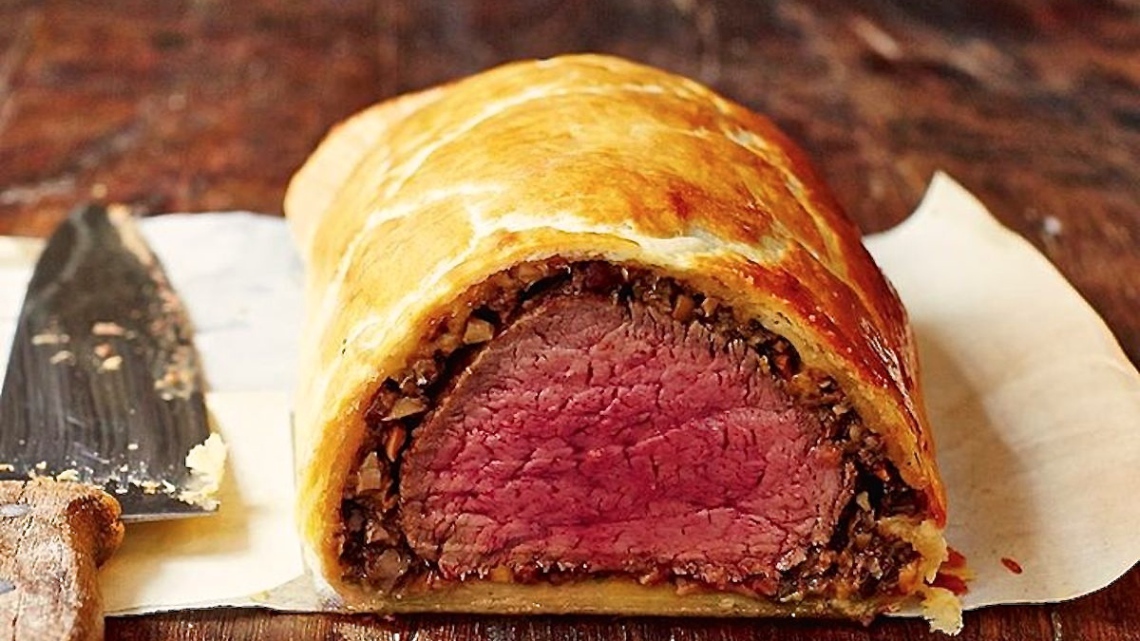
Beef Wellington
This is a classic recipe which is having somewhat of a renaissance. This recipe is based on one I learned while training at Silwood Kitchen in Cape Town. It was first made at the school by it's founder, Lesley Faull, who learned it at Le Cordon Bleu in Paris in November 1966.
Serves 6-8
Ingredients
For the crêpes
100g flour
1 egg + 1 egg yolk
300 ml milk
pinch of salt
1 Tablspoon oil
butter for frying
For the Wellington
1 kg beef fillet, cut from the middle and trimmed (we use Simmentaler from Lindenhoff)
750 g chestnut mushrooms
olive oil
butter
1 teaspoon fresh thyme leaves
2 cloves garlic
splash of dry sherry
salt and pepper
English mustard powder
500 g all butter puff pastry
Method
Begin with the crepes. Mix the egg and egg yolk with the flour, oil and pinch of salt and add part of the milk. Whisk until you have a thick mixture and add the remaining milk. (This can also be done in the food processor). Allow the batter to rest for ± 30 minutes. Cook the crêpes in a crêpe pan and allow to cool on a wire rack.
Heat a frying pan with olive oil over high heat. Season the fillet well with salt an pepper. Brown on all sides until well coloured and set aside to cool. It's important never to put pastry around warm meat, as it will become soggy.
Clean and trim the mushrooms. Place them, together with the garlic and thyme leaves in a food processor until very finely chopped. Heat a frying pan over high heat with a splash of olive oil and a knob of butter. Fry the mushroom mixture for a goof 10 minutes until all the liquid has cooked away and the mushrooms are quite dry. Add a splash of dry sherry and allow it too to cook away. Season with salt and pepper. Allow to cool. It's important that the mushroom mixture is dry, this will also help the pastry stop getting soggy.
Season the fillet with English mustard powder. Lay cling wrap on your work surface and lay about 4 crepes (depending on their size) in an even layer. Spread generously with the mushroom mixture. Lay the fillet on and fold roll up, using the cling warp to guide you. Twist the the edges of the pastry to for a 'christmas cracker' so that you get a nice even shape. Place in the fridge to chill.
Roll out the pastry on floured surface to approx. 5 mm thick. Place the crepe wrapped fillet on the pastry and brush with beaten egg. Pull the sides of the pastry around to wrap up the fillet like a parcel. Refrigerate for at least 30 minutes to chill. This can be done a few hours in advance.
Heat the oven to 200 C. Remove the Wellington from the fridge and place on a baking tray lined with baking paper. Brush the pastry with the remaining beaten egg and sprinkle with some coarse salt. Bake for 30-35 minutes for medium rare. Remove from the oven and rest for 10 minutes before slicing, or else all the juices will run out.
To serve, slice into pieces about 2,5 cm thick. Delicious with a red wine-port sauce and seasonal vegetables.
We, the Amsterdam Flavours chefs, hope you enjoy this recipe as much as we do. If you have any questions on how to prepare it or just want to send us your feedback, you can reach us here Contact Amsterdam Flavours
This dish works well served with Artadi Tempranillo.
Artadi Tempranillo 12 Meses
Grape variety
100% Tempranillo
Region
Bodegas y Viñedos Artadi produce quality wines in three wine regions: Rioja Alavesa, Navarra and Alicante. To get the most from the different soil types, climatic conditions and characteristic grape varieties, they employ organic and biodynamic farming. In the Basque part of the Rioja, Alavesa, Artadi grows only tempranillo for the red wine. The bottom of the 83 hectares of vineyards mainly consists of calcareous soil, gravel and clay, at an altitude of about 700 meters above sea level. The climate is a whimsical combination of Oceanic and continental.
Vinification (wine-making)
Tempranillo grapes are used from vines that have an age averaging about 20 years old. After careful manual harvesting, the fruit gets a cold soaking of 24 to 48 hours followed by fermentation in stainless steel vats in which twice daily ' pigeage ' takes place (dipping the skins in the wine for more colour, smell and flavour extraction) and a slight remontage maceration (grape juice from the bottom of the tank is pumped again through the wine). This takes 10 to 12 days to complete. Maturation in wood takes 12 months, where only French oak used.
Taste impression
Intense, bright cherry-red colour. On the nose, lots of red fruit and black currant, roasted balsamic nuances, exotic wood and a hint of liquorice. Fresh in the starter, well structured and balanced, a full red wine with fine and elegant tannins and a catchy, lingering flavour.
Serving
Serve between 17 - 18 ° C. Decant the wine to separate the sediment and give it some aeration. Do this 30 minutes before serving to improve the wine's aroma. For serving, you can also use wide, large glass and pouring in only a little wine.Ageing potential: drink within 4 to 6 years after the harvest. Store in a cool and dark place.
Culinary advice
A good companion to richly flavoured Mediterranean dishes, particularly stews with meat or poultry, roasted or grilled lamb or pork, poultry, and mature, hard Spanish cheeses.
Taste type
Medium-bodied, very aromatic, with wood maturation.
Buy or taste this wine? For more information visit Wijnkoperij De Gouden Ton.
This wine is the perfect partner to our Beef Wellington.
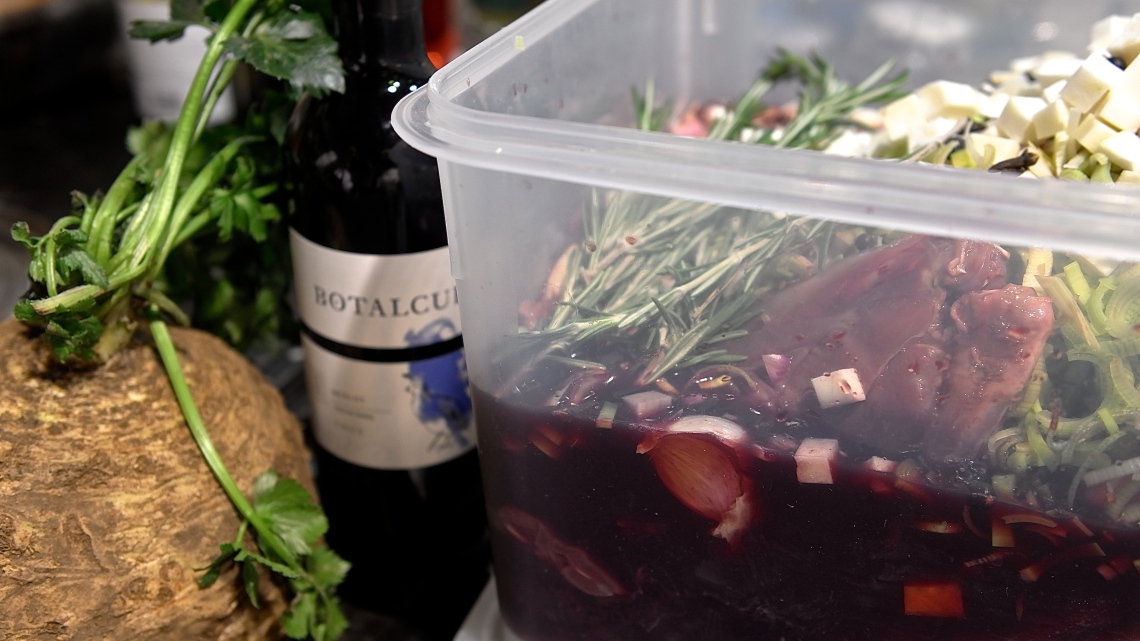
Hazenpeper - Hare Stew
Ingredients
4 hare legs
1, 5 bottles red wine
1 head of garlic, peeled
1 carrot, diced
1 red onion, finely chopped
200 g celeriac, diced
1 leek, finely chopped
4 sprigs of thyme
4 sprigs of rosemary
8 cloves
8 juniper berries
2 bay leaves
olive oil
butter
salt
black pepper
flour
4 slices onbijt cooked (ginger or spice cake), crumbled
Method
Mix together the red wine, peeled garlic cloves, carrot, onion, celeriac, leek, thyme, rosemary, cloves, juniper berries and bay leaves. Add the hare legs and marinate the hare legs for 24- 48 hours.
Remove the hare from the marinade and pat dry. Strain the marinade and keep the vegetables and herbs separately.
Heat a casserole or oven proof pan with some olive oil and a knob of butter. Brown the hare on all sides until nicely caramelised. Remove from the pan and set aside.
Add the strained vegetables and herbs to the pan and fry for about 5-10 minutes. Add 1 tablespoon flour and fry for 1 minute. Pour in the reserved red wine from the marinade, the hare legs and a good seasoning of salt and pepper.
Bring to the boil, cover with a lid and place in a 140° C oven for about 3 hours until the meat is tender.
Remove the hare from the pan and pour the liquid through a sieve. Pick the meat from the bones.
Bring the sauce to a boil, whisk in the crumbled onbijtkoek (ginger or spice cake) and a knob of butter. Check the seasoning, adding more salt and pepper if necessary. Return the meat to the sauce to reheat.
Serve the hare stew with creamy mashed potatoes and braised red cabbage.
The stew also freezes well and can be made ahead of time.
We, the Amsterdam Flavours chefs, hope you enjoy this recipe as much as we do. If you have any questions on how to prepare it or just want to send us your feedback, you can reach us here Contact Amsterdam Flavours

Bilder & de Clercq's New Recipes week 51
As you may know by now, we are the chefs behind Amsterdam hotspot, Bilder & de Clercq. Every week we develop 3 new recipes for the stores and we'll be keeping you updated with the week's newest recipes. This weeks new recipes are:
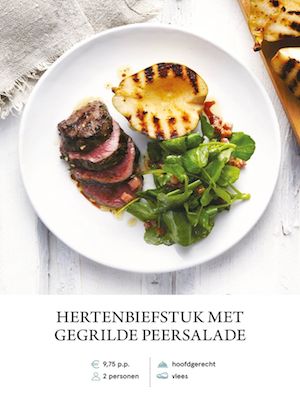
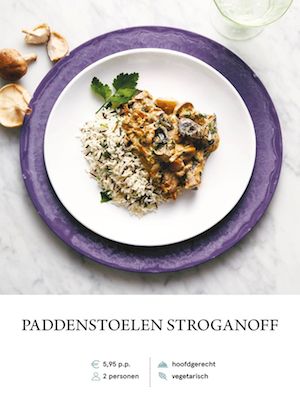
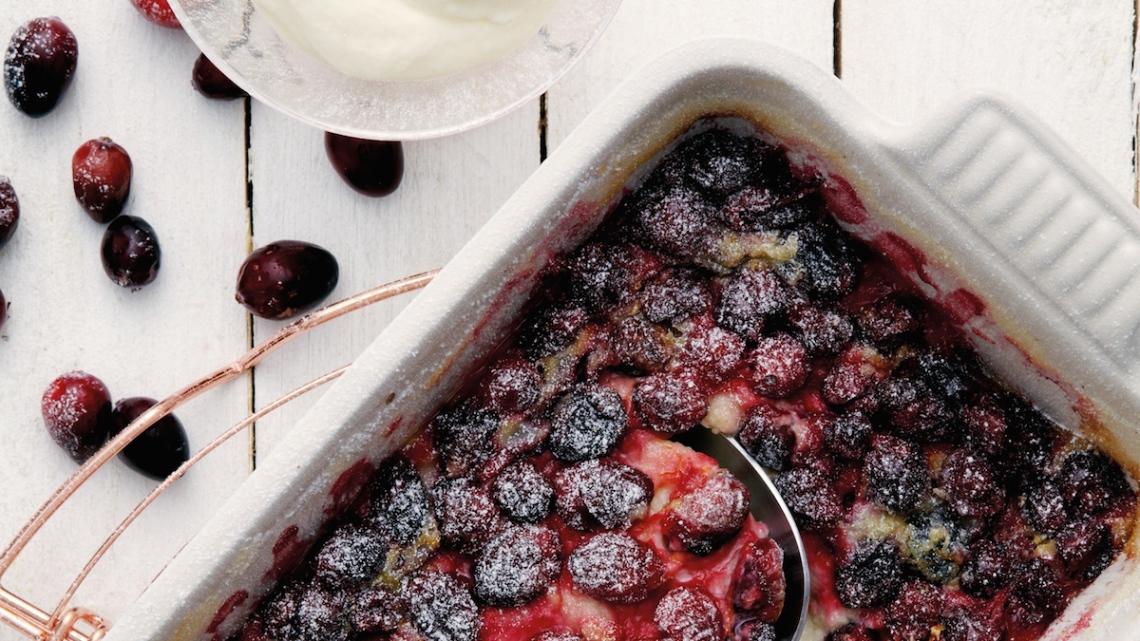
Bilder & de Clercq's New Recipes Week 50
As you may know by now, we are the chefs behind Amsterdam hotspot, Bilder & de Clercq. Every week we develop 3 new recipes for the stores and we'll be keeping you updated with the week's newest recipes. This weeks new recipes are:
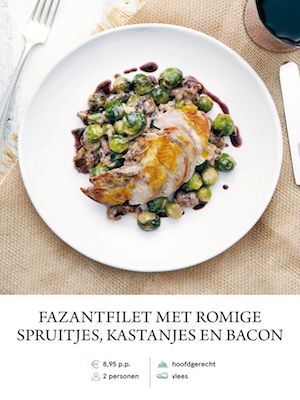
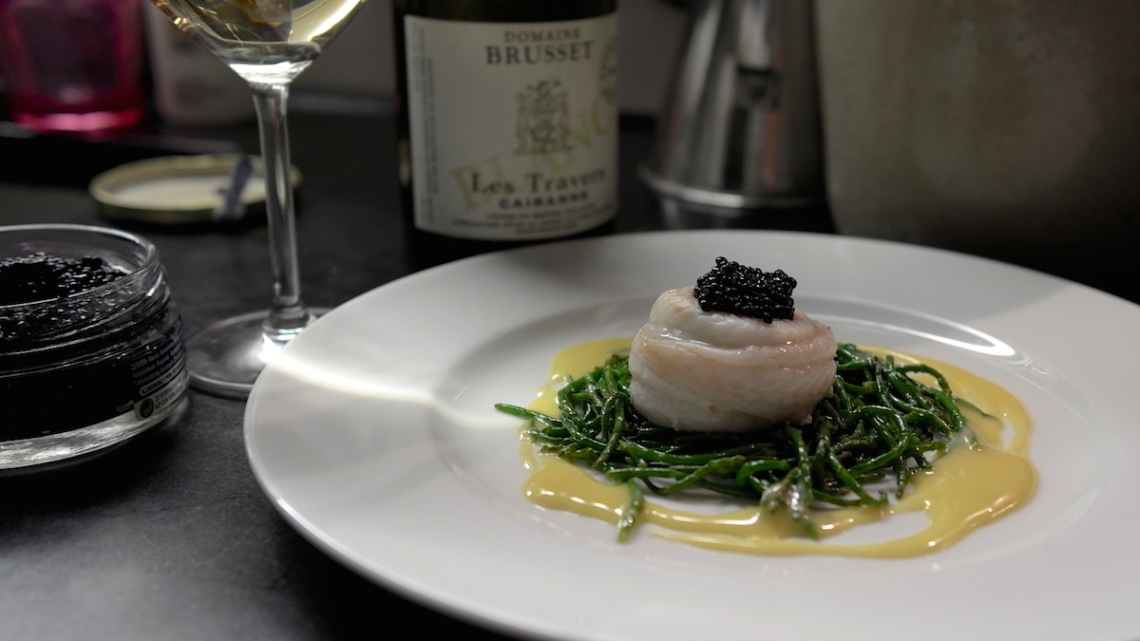
Sole and Scallop 'Roulades' with Samphire and Beurre Blanc
Serves 4 as a starter
Ingredients
4 sole fillets, skinned and cleaned (ask your fishmonger)
4 scallops, cleaned
200 g samphire, rinsed
small pot caviar (we use herring caviar)
salt and pepper
extra splash of white wine for cooking the roulades
Beurre Blanc
150 mlwhite wine or ½ white wine and ½ white wine vinegar
1 shallot, finely chopped
1 piece of mace
2 cloves
1 bay leaf
2 tablespoons cream or crème fraiche
150-200 g butter
Method
Heat a frying pan over medium high heat with 2 tablespoons olive oil. Season the scallops lightly with salt and pepper and fry for about 1 minute on each side until golden. Remove from the pan and allow to cool.
Lay the sole fillets on a work surface and season lightly. Roll a cooled scallop in each and place in a roasting dish (This can be done ahead of time and placed in the fridge). Preheat the oven to 180 C.
Make the beurre blanc. Pour the wine into a thick-based pan. Add the shallot, mace, cloves and bay leaf and bring to the boil. Allow to simmer until reduced to about 2 tablespoons.
Add the cream and allow to cook for a moment, lower the heat slightly and “mount” the sauce by whisking in the cold butter in small pieces, moving the pan from the heat when necessary so that the butter thickens and emulsifies. Season with salt and pepper, strain the liquid through a fine sieve and return to the pan. Leave in a warm place till needed.
Pour a splash of white wine around the fish and cook in the oven for about 10 minutes until the sole fillets are just cooked and the scallop warmed through. In the meantime, stir fry the samphire in a frying pan with a splash of olive oil for about 3 minutes until it still has a little bite and is bright green.
To plate, place a 'nest' of samphire on each plate. Set a roulade in the middle of each, top with a small teaspoonful of caviar and spoon the beurre blanc around.
NOTE: It’s best to finish the sauce with the butter just before you need it.
We, the Amsterdam Flavours chefs, hope you enjoy this recipe as much as we do. If you have any questions on how to prepare it or just want to send us your feedback, you can reach us here Contact Amsterdam Flavours
Bilder & de Clercq's New Recipes Week 49
As you may know by now, we are the chefs behind Amsterdam hotspot, Bilder & de Clercq. Every week we develop 3 new recipes for the stores and we'll be keeping you updated with the week's newest recipes. This weeks new recipes are:
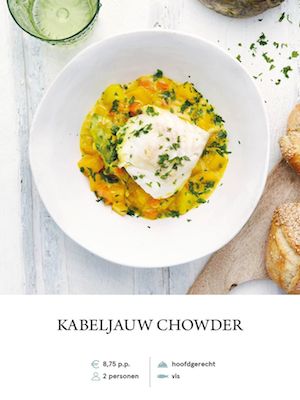
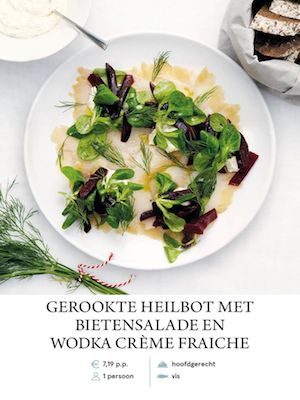
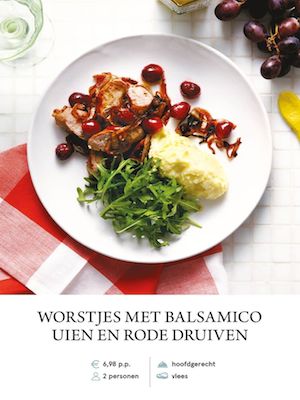

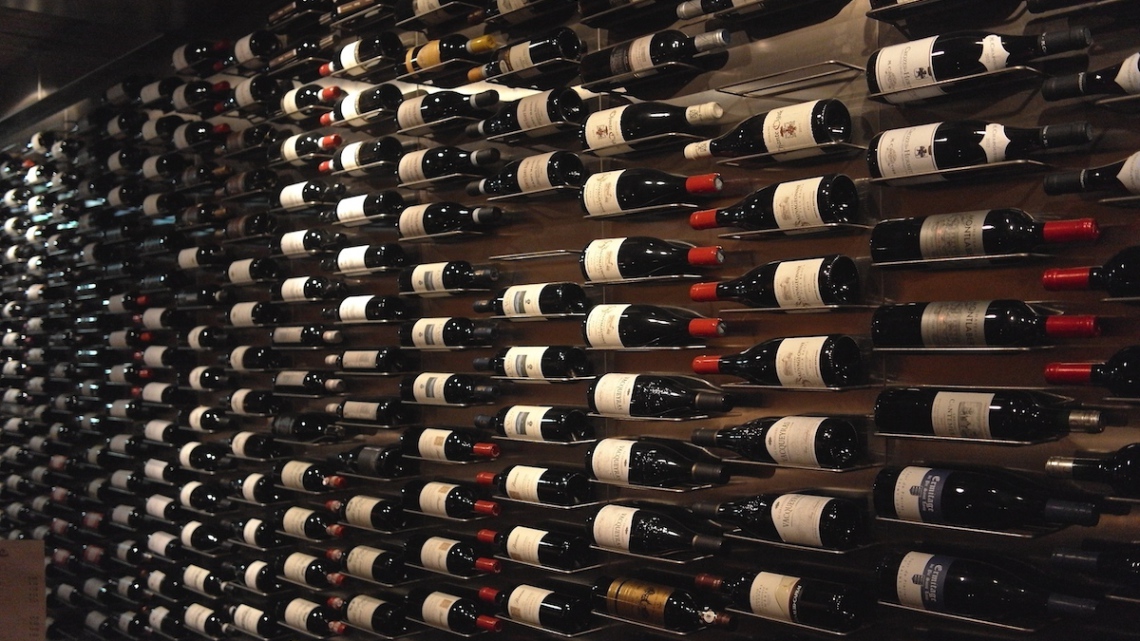
Vyne & Envy
It was a cold and damp midweek evening when we made our way for a drink and dinner at two Amsterdam institutions.
Walking down the Prinsengracht, rain drizzling overhead, we were in much need of a good glass of something to drink and a delicious dinner after what had been a few very busy weeks.
As we entered Vyne wine bar, we were surprised to see it very quiet. Maybe it was the weather or the upcoming festive season that people of 'waiting' for all the parties. The buzzing atmosphere we missed of people enjoying a drink was more than made up for by the friendly and charming Charlene.
We browsed through the extensive wine list, around 350 wines to be exact, while she poured us each a glass of Colmei Valdobbiadene Prosecco. You'll find a good selection of G&T's on the menu and their new wine cocktails. If you find it hard to chose a particular wine, you can always order a wine flight (red or white) put together by their sommelier.
And while you're having a drink, there is also a little bites menu with tapas style offerings, cheese platters and shrimp croquettes.
We then made our way a few meters up the road to Envy. This is a restaurant that serves what they call delicatessen dishes. In a nut shell, it's small dishes designed for sharing. Diners can either order a la carte, or can be surprised by the Chef's Menu.
The restaurant has two types of seating, high tables for those wanting a quick bite and low tables for those diner who want a leisurely evening it. A great concept and idea, we think.
The friendly restaurant manager gave us a warm welcome and we were immediately greeted with glass of Cava and a charcuterie platter comprising lavender Brandt & Levie sausage paired with Dijon mustard, heavenly Iberico ham and Spanish salame Ventricina. Nice bread and olive oil completed the scene.
Our first course comprised 3 different dishes - oyster ceviche, cucumber, burnt onion, dill and yoghurt pastilles. Fantastically clean and refreshing with sweet and sour notes from the cucumber and pickling liquid. This is a great way of eating oysters. The next dish was seared squid with chiparones (baby squid), olive cake, aioli and squid ink pasta. The seared squid was beautifully cooked, firm but tender. The chiparones were almost raw, just have seen the pan and the olive cake was sweet and light (made with an almond base) adding an interesting contrast to the dish. Thirdly we were served langoustines with Hollandaise, curry oil, curry crumble and enoki mushrooms. A stunning combination of sweet langoustines, rich Hollandaise and with a perfume of curry. The sweet crumble with curry was a nice idea, while the roasted enoki gave the dish a savoury note. With so many different ingredients and flavours, you would imagine that it would be a nightmare to pair with one wine, but this was done well with a Gruner Veltliner.
The following set a dishes comprised a steak tartare with potato mousseline, herring caviar, grilled leeks and a 60 C cooked farmhouse egg yolk. The steak tartare was well seasoned and tender counter-balanced with the soft mousseline and salty bursts from the herring caviar. The 60 C egg yolk was both firm and soft, adding a richness to the dish.
The next dish was grilled fillet of plaice young garlic foam, sweet and sour fennel, roasted onion cream, ciabatta toast and rocket cream. Despite the many bold flavours being used, the dish was light and fresh. The plaice was perfectly cooked and the delicous rocket cream added some pepperiness to the dish.
These dishes were paired with a Portugese Valporeria, a white wine made using 5 different grape varietys. The wine was powerful enough for the steak tartare, but smooth and elegant as well to pair with the fish.
We next moved on to an intriguing and super-delicious combination of foie gras with raspberry and hazelnut. Baring in mind what we had already eaten, it too wasn't as simple as it sounds. Grilled foie gras was, raspberry meringue, fresh raspberries, raspberry gel, a 'bon bon'of foie gras, hazelnut creme and shiso purple. The plate looked liked a dessert, too pretty to eat, but we attacked the plate. Who would have thought that fresh, sharp raspberry was so good with foie gras? Throw in some hazelnut and sweet meringue and it's a marriage made in heaven.
We just about had space left for dessert and an espresso. Coffee Bay then arrived at our table - the chefs interpretation of coffee and Bailey's. A caramel tuile, cold Bailey's granite, chocolate crumble, creamy Bailey's bon bons,deep-flavoured coffee meringues, stroop waffels, chocolate mousse, hazelnut crumble and finished off with grated tonka beans. This dish balanced sweet and bitter flavours with cold textures and crunch. A good ending to the meal.
The service was impeccable. Our waiter was friendly, enthusiastic and very knowledgable. There is a relaxed vibe in the restaurant where both locals and visitors will feel comfortable. The food is delicious, imaginitive and well executed. The chefs put everything on a plate for a reason. As there are so many small components to each dish, we feel that sharing plates are not always ideal for allowing the diner to taste all the components and get the full effect intended.
Envy should without doubt be on your restaurant list, whether you're looking for a leisurely night out or a quick bite with great food.
For more information, please visit Vyne.
For more information, please visit Envy.
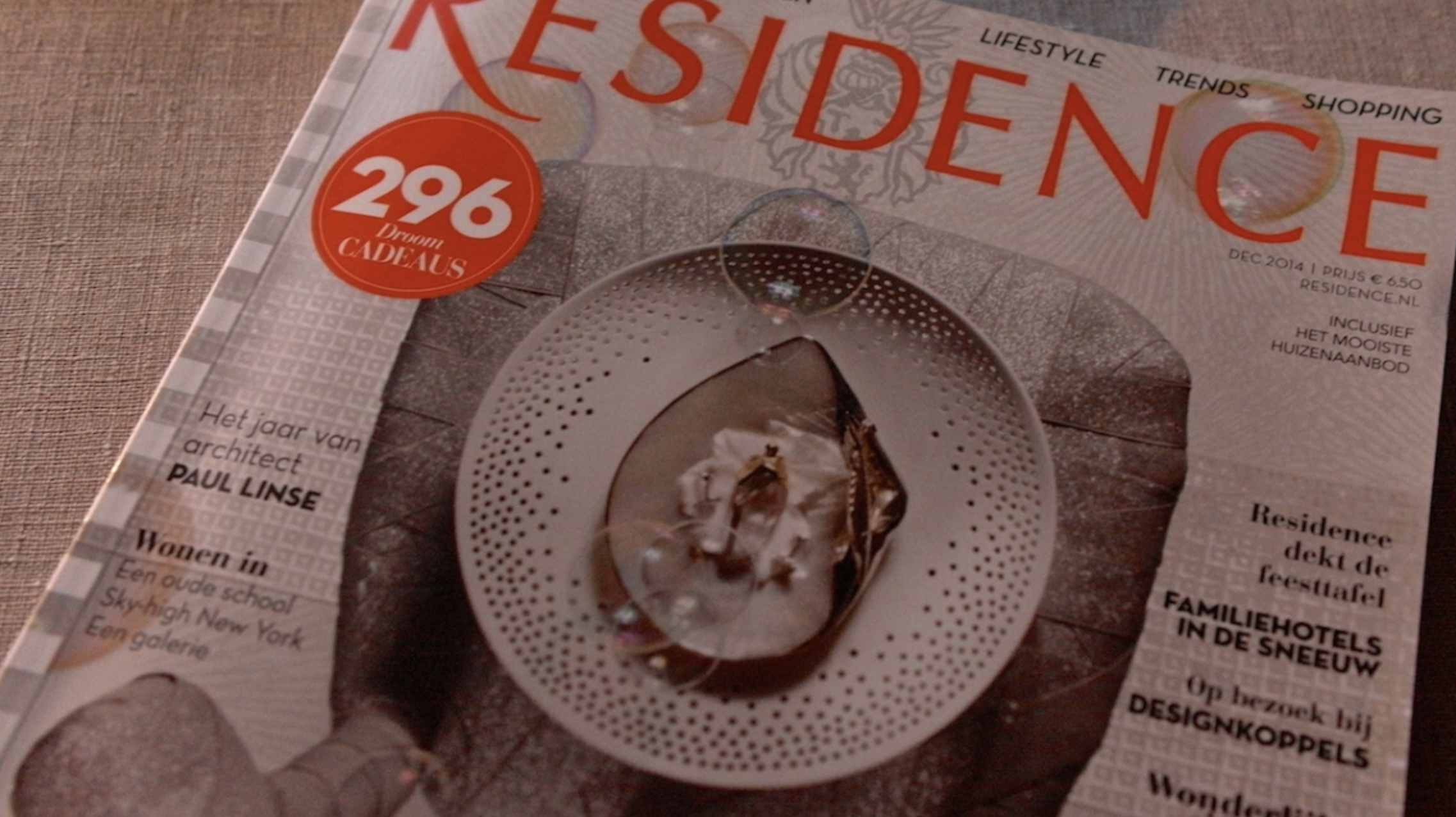
Residence Magazine - December 2014
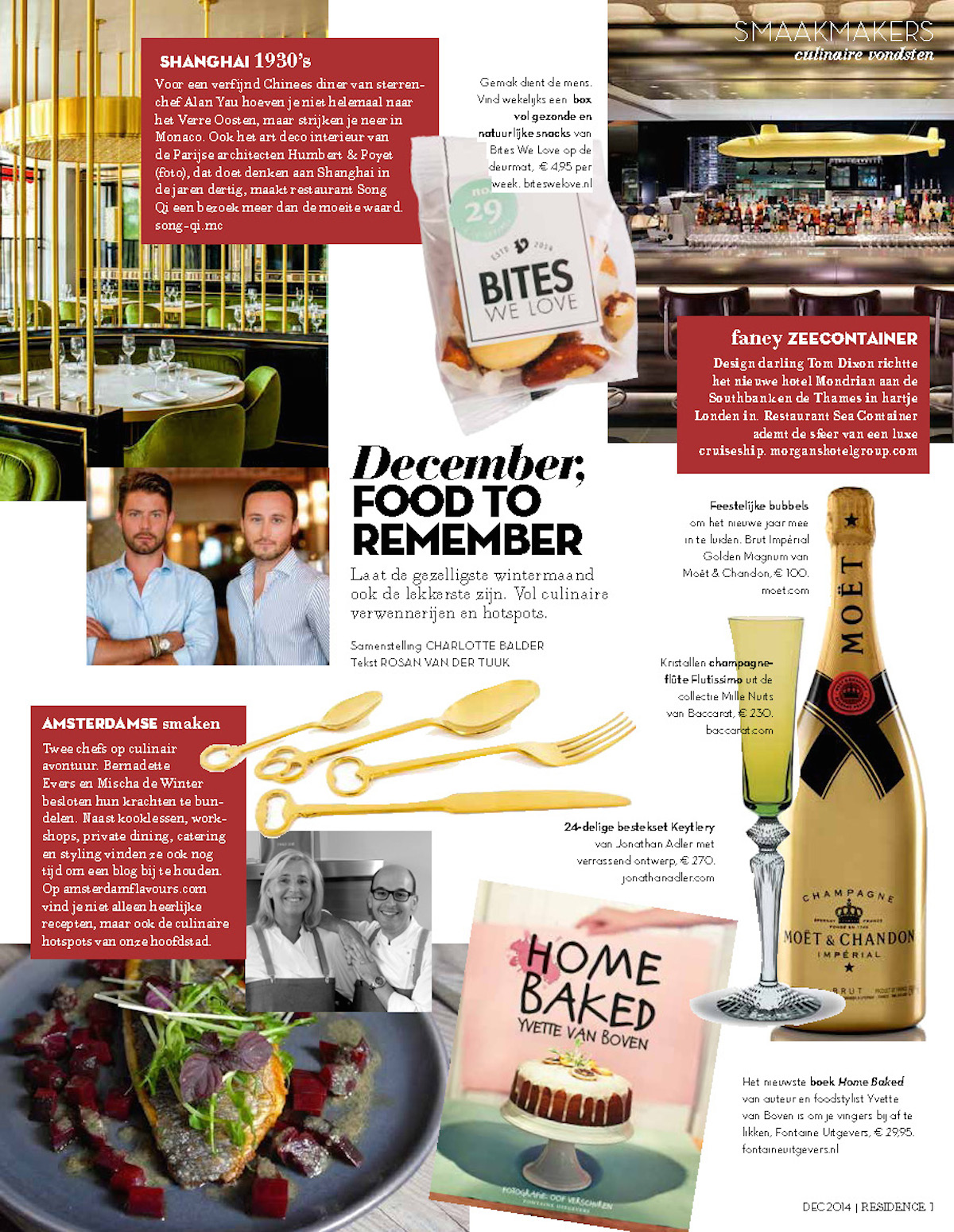
Residence Magazine featured us under smaakmakers in their December 2014 edition.