

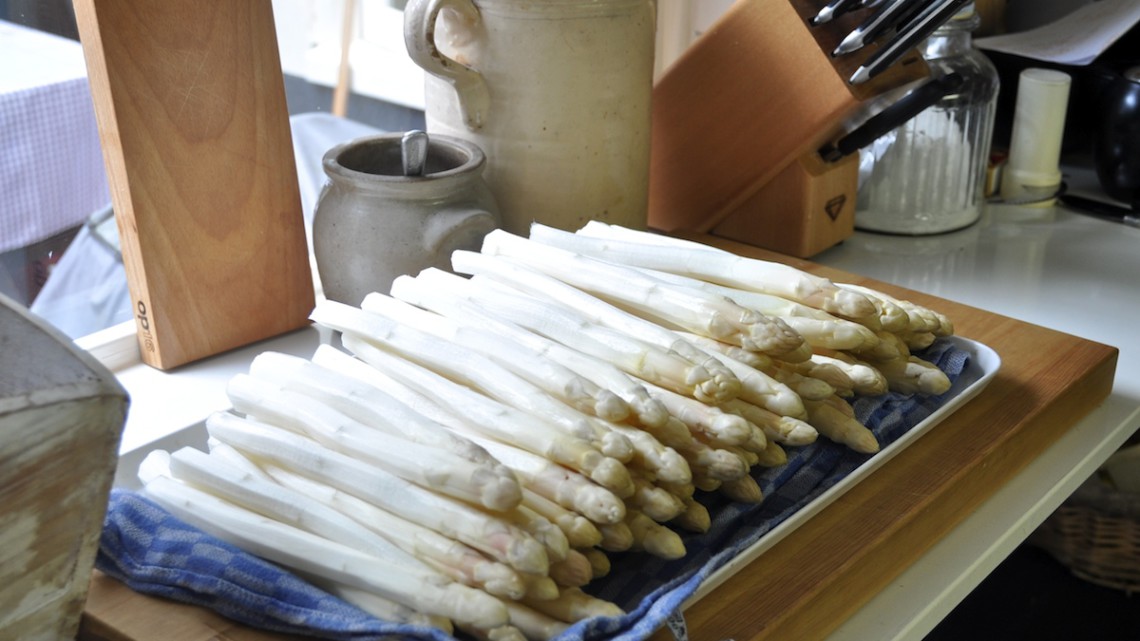
Asparagus
Asparagus season has officially started for this year! And we're so pleased, as asparagus are one of our favourite vegetables. They're incredibly versatile as they can be blanched, grilled, roasted and when thinly shaved, even served raw.
How do you best store and clean asparagus?
In the refrigerator asparagus have a shelf life of about 7 days, in a damp tea towel (to prevent drying out) it's 1 to 3 days. Asparagus can also be frozen. Before freezing, the asparagus should be washed and peeled (there is no need to blanche them). When you want to use the asparagus, place them straight from the freezer into a pan of boiling water.
To give you some inspiration, here are 2 of our recipes using asparagus. Go out and get some now!
Asparagus and Turnip Greens Pasta

De Weldaad
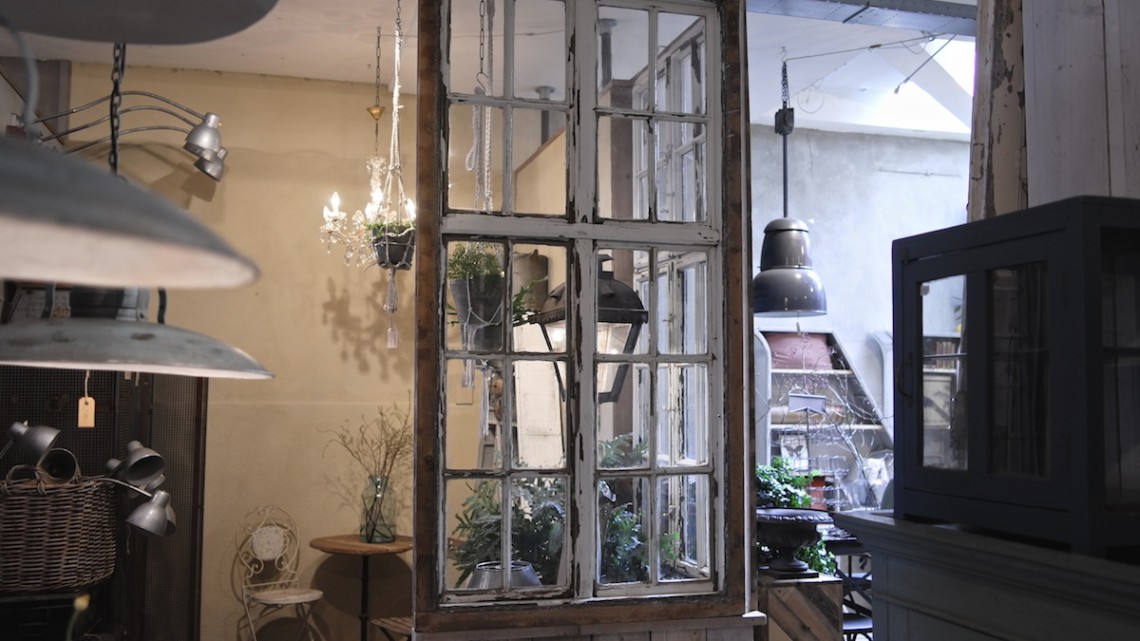
De Weldaad has two shops in the historic centre of Amsterdam, one in the Reestraat (opposite Hotel Pulitzer on the corner of Keizersgracht, very close to the Anne Frank Museum) and one at de Noordermarkt (the Northern Market) near the Westerstraat in an area called the Jordaan. If you are looking for vintage, art nouveau, industrial design, antiques or brocante, you will most probably find it at De Weldaad.
The charming Reestraat shop has an original interior from the 19th century and is located in the heart of the capital, in a shopping area known as the Nine Streets (negenstraatjes). You will find special and unique shops around here selling items such as paper, candles, gourmet gifts. There is even a real doll doctor! In short, a really fun shopping paradise.
The second store is situated at the Noordermarkt (Northern Market) in the heart of the Jordaan in Amsterdam. It's a former garage covering 200 m2. Three historic buildings are interconnected with plenty of room to explore the furniture, lifestyle products and unique accessories for the home from all over Europe.
We both have furniture and accessories from De Weldaad in our own homes. It's a style that suits us both and is easily combined with more modern items to create the look and feel you want.
For more information, please visit De Weldaad.
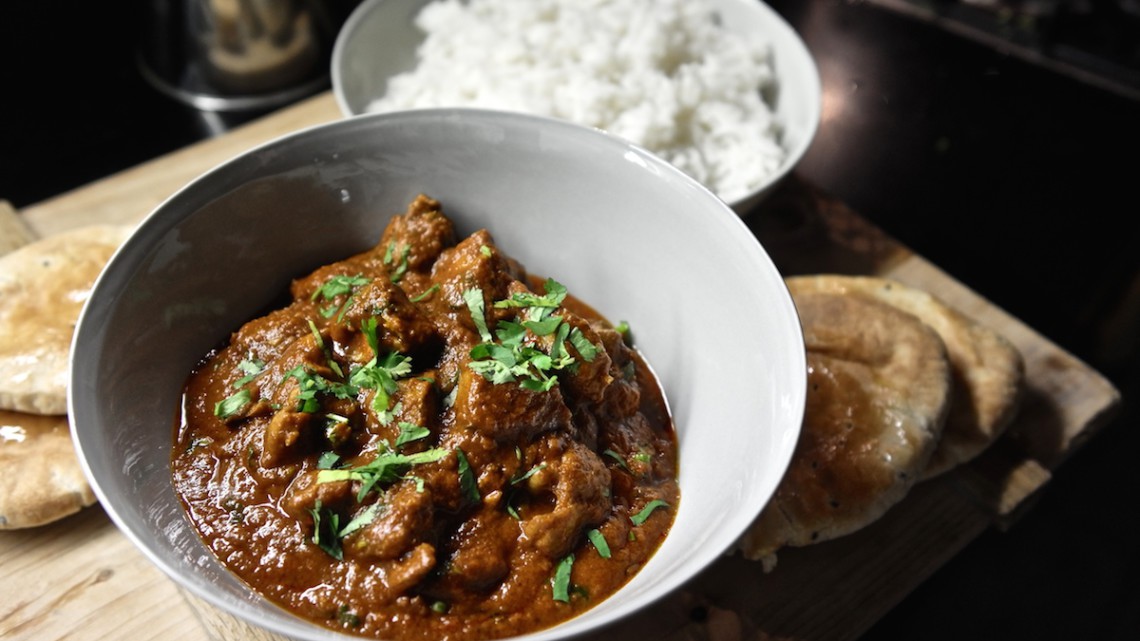
Chicken Tikka Masala
This is one of our favourite 'Indian' dishes. It's easy to make with readily available ingredients and it's always a crowd pleaser. We say Indian in inverted commas, as it's origins are not quite known. It's thought that it originated in Glasgow in the 1970's. The story goes: "On a typical dark, wet Glasgow night a bus driver coming off shift came in to the Shish Mahal restaurant and ordered a chicken curry. He sent it back to the waiter saying it was dry. At the time the owner had an ulcer and was enjoying a plate of tomato soup. So he said to the chefs why not put some tomato soup into the curry with some spices. It was sent back to the table and the bus driver absolutely loved it. He and his friends came back again and again and since then it was put on the menu."
Serves 4
Ingredients
sunflower oil
2 large onions, peeled and sliced
1 red or green chilli
5 cm piece fresh ginger, peeled
2 garlic cloves, peeled
1/2 teaspoon chilli powder
1 teaspoon turmeric
2 teaspoons garam masala
1 tablespoon brown sugar
1 small tin tomato puree
2 tins peeled tomatoes
1 kg boned and skinned chicken thighs, cut into cubes
10 curry leaves (optional)
4-6 tablespoons natural yoghurt
bunch fresh coriander, chopped
steamed rice, naan bread and poppadums, to serve
Method
Finely slice the onion. Heat 2 tablespoons sunflower oil in a pan. Add the onions and fry on a medium-low heat for a good 15-20 minutes until they become soft and caramelised. In the meantime, deseed and chop the chilli, ginger and garlic. Add to the pan with the onions and fry for a further 2 minutes.
Add the chilli powder, turmeric, garam masala and sugar to the onions and fry for 1-2 minutes. Add the the tomato puree and fry for a further 1-2 minutes. Add the tinned tomatoes and simmer for about 10 minutes. Place the sauce in a bowl or a jug and blend with a Bamix (stick blender) until smooth.
Add 1 tablespoon sunflower oil to the same pan you cooked the sauce in and fry the chicken pieces until lightly coloured, about 5 minutes. Pour in the blended sauce and curry leaves, if using, and some salt and simmer, covered, for about 20 minutes until the chicken in cooked through and tender.
Stir the yoghurt and half the coriander through the tikka masala. Garnish with the remaining coriander and serve with steamed rice, naan breads and/or poppadums.
We, the Amsterdam Flavours chefs, hope you enjoy this recipe as much as we do. If you have any questions on how to prepare it or just want to send us your feedback, you can reach us here Contact Amsterdam Flavours
Baden Baden Interior & Mud Australia
It is with great pride that we welcome a new partner to Amsterdam Flavours. Baden Baden Interior is an interior design store in Amsterdam offering an eclectic mix of furniture, design, art, objects and accessories.
Baden Baden Interior is the main importer and supplier of Mud Australia porcelain. When searching for a new range of plates for our food photography and styling, we came across and instantly fell in love with the Mud Australia range because of their natural, unique shapes and beautiful colours. After doing some research, we found our way to Baden Baden Interior.
Mud Australia was founded in 1994. The porcelain range, designed by Shelley Simpson, combines hand made processes, clean lines, colour palette and functionality. The end result is a product that neatly intersects a minimalist aesthetic with an artisan finish. Their porcelain fits in any interior, providing a timeless alternative to mass produced ceramic design.
All Mud Australia porcelain is handmade in their Sydney factory by a staff of professional and in-house ceramicists. Each piece is designed to last and manufactured using the best materials available.
Made from Limoges porcelain, sourced directly from France, the pigment is tinted through the porcelain body to provide colour-depth. Clear glaze is then hand brushed to the interior of each piece leaving the exterior with a vitrified stone-like surface that becomes smooth with handling.
The range evolves seasonally with the addition of new shapes and colours.
For more information, please visit Baden Baden Interior and Mud Australia.
Morgan & Mees
Morgan & Mees is a brand new hotel and restaurant situated in a completely renovated historical building in Amsterdam West. The interior matches the characteristics of the monumental building, but with a modern twist. With an elegant timeless look and an eye for detail Morgan & Mees is a stylised hotel for international travellers and locals.
The bar, restaurant and hotel are tastefully designed, classical, yet modern at the same time.
The restaurant menu is brasserie inspired with very accessible dishes. In the evenings, the bar is really popular and even standing space is hard to find.
In the short time they've been open, Morgan & Mees has gained quite a following and they are certainly a valuable addition to the area.
For more information, please visit Morgan & Mees.
Amsterdam Chocolate Festival
This past weekend we paid a visit to The Amsterdam Chocolate Festival. The festival documented an array of chocolates made using cocoa from around the world.
Products, for example soaps, made using cocoa butter, were also on show. There are so many different chocolates available at the moment and this gives one the opportunity to be able taste and understand the differences and nuances that can be found in chocolates from different countries.
What is chocolate and how is it made?
Chocolate is a typically sweet, usually brown, food preparation of Theobroma cacao seeds, roasted and ground, often flavored, as with vanilla. It is made in the form of a liquid, paste or in a block or used as a flavouring ingredient in other sweet foods. Cacao has been cultivated by many cultures for at least three millennia in Mesoamerica. The earliest evidence of use traces to the Mokaya (Mexico and Guatemala), with evidence of chocolate beverages dating back to 1900 BC. In fact, the majority of Mesoamerican people made chocolate beverages, including the Maya and Aztecs, who made it into a beverage known as xocolātl, a Nahuatl word meaning "bitter water". The seeds of the cacao tree have an intense bitter taste and must be fermented to develop the flavour.
After fermentation, the beans are dried, cleaned, and roasted. The shell is removed to produce cacao nibs, which are then ground to cocoa mass, pure chocolate in rough form. Because the cocoa mass is usually liquefied before being molded with or without other ingredients, it is called chocolate liquor. The liquor also may be processed into two components: cocoa solids and cocoa butter. Unsweetened baking chocolate (bitter chocolate) contains primarily cocoa solids and cocoa butter in varying proportions. Much of the chocolate consumed today is in the form of sweet chocolate, a combination of cocoa solids, cocoa butter or other fat, and sugar. Milk chocolate is sweet chocolate that additionally contains milk powder or condensed milk. White chocolate contains cocoa butter, sugar, and milk but no cocoa solids.
For more information on the festival visit Amsterdam Chocolate Festival.
A great magazine available for the coffee and chocolate industry is Koffietcoao.
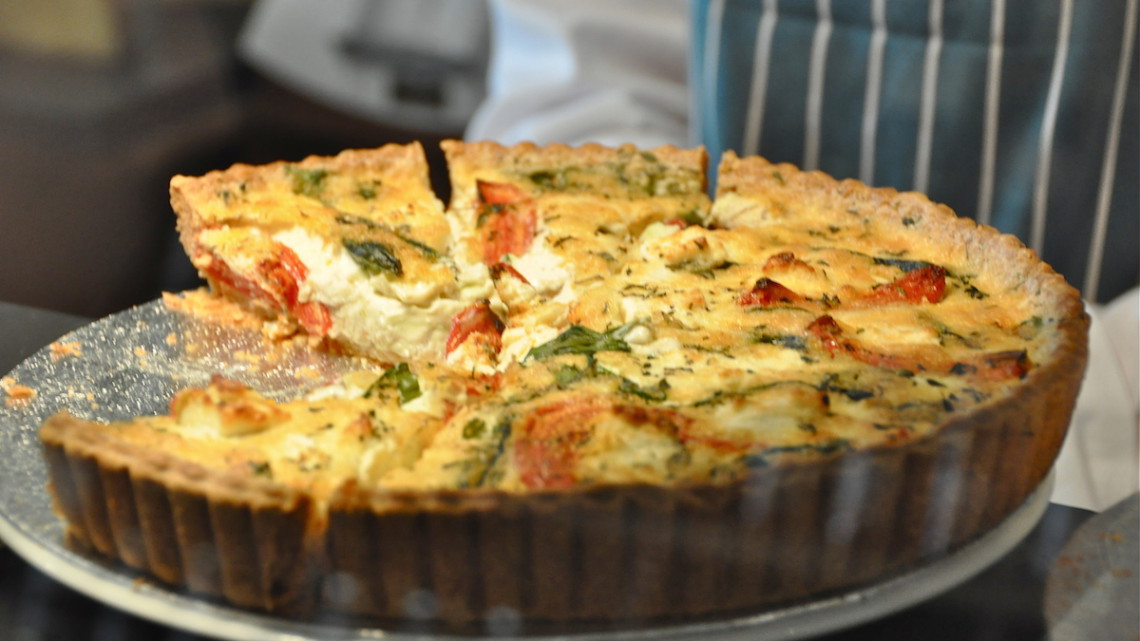
Tomato, Basil and Parmesan Quiche
Ingredients
Pastry
280 g plain flour, plus extra for dusting
140 g cold butter, cut into pieces
a pinch of salt
Filling
300 g cherry tomatoes
10 ml fresh thyme leaves
salt and pepper
drizzle olive oil
50 g parmesan, grated
2 eggs
250 ml cream
small bunch basil leaves, shredded, plus a few small ones left whole for scattering
Method
Heat the oven to 120 C. Cut the cherry tomatoes in half and lay on a baking sheet lined with greaseproof paper. Sprinkle with thyme leaves, salt, pepper and a drizzle of olive oil and bake for 1 hour until slightly dried and the flavour concentrated.
To make the pastry, tip the flour, a pinch of salt and butter into a bowl, then rub together with your fingertips until completely mixed and crumbly. Add 8 tablespoons cold water, then bring everything together with your hands until just combined. Roll into a ball and rest in the fridge for 30 minutes.
Roll out the pastry on a lightly floured surface to a round about 5cm larger than a 25cm tin. Use your rolling pin to lift it up, then drape over the tart case so there is an overhang of pastry on the sides. Using a small ball of pastry scraps, push the pastry into the corners of the tin. Chill in the fridge or freezer for 20 minutes. Increase the oven temperature to 180 C.
Lightly prick the base of the tart with a fork, line the tart case with a large circle of greaseproof paper or foil, then fill with dried beans or rice. Blind-bake the tart for 20 minutes, remove the paper and beans, then continue to cook for 5-10 minutes until lightly browned. Remove the tart case from the oven.
While the tart is cooking, beat the eggs in a large bowl. Gradually add the cream, then stir in the basil and season with salt and pepper. When the case is ready, sprinkle half the cheese over the base, scatter over the tomatoes, pour over the cream mix, then finally scatter over the rest of the cheese. Bake for 20-25 mins until set and golden brown. Leave to cool in the case, trim the edges of the pastry, then remove from the tin. Scatter over the remaining basil and serve in slices with a green salad.
We, the Amsterdam Flavours chefs, hope you enjoy this recipe as much as we do. If you have any questions on how to prepare it or just want to send us your feedback, you can reach us here Contact Amsterdam Flavours
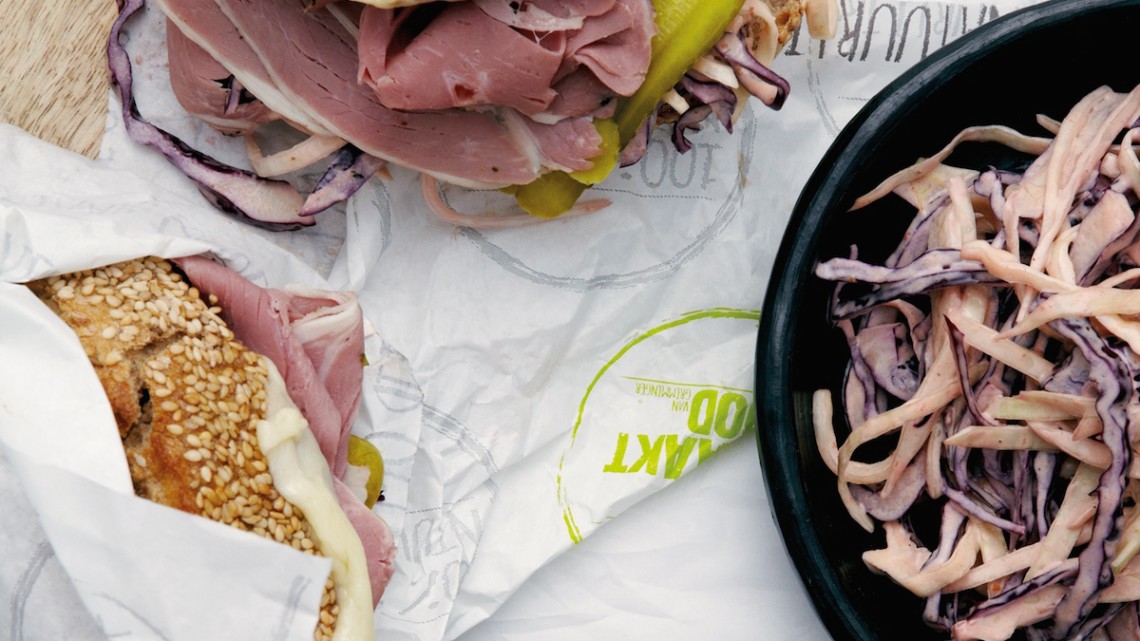
Bilder & de Clercq's New Recipes Week 10 - 2015
As you may know by now, we are the chefs behind Amsterdam hotspot, Bilder & de Clercq. Every week we develop 3 new recipes for the stores and we'll be keeping you updated with the week's newest recipes. This weeks new recipes are:
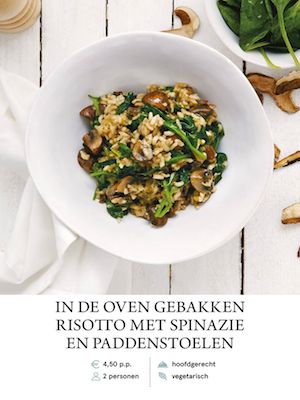
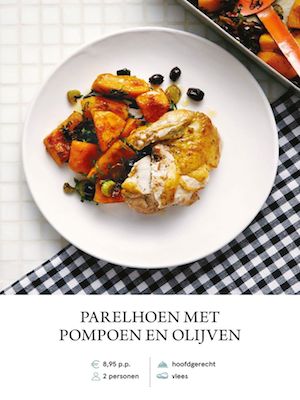
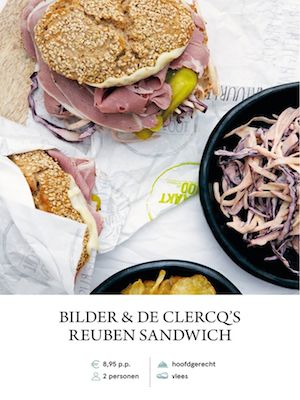
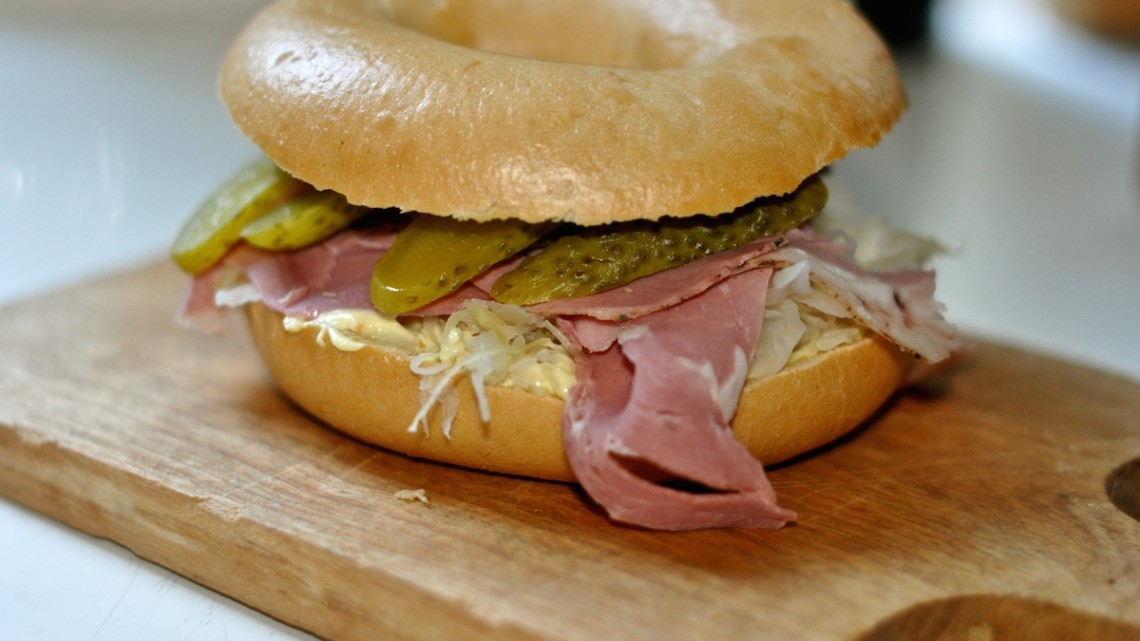
Bagels with Pastrami and Sauerkraut
Bagels are continually gaining popularity in Holland. They should be dense and chewy, as bagels are first boiled and then baked. Combined with a pastrami (which is beef that has been brined, spiced, smoked and steamed) and a few other delicious things, you're on to an absolute winner.
Serves 2
Ingredients
2 bagels
100 g sliced pastrami
3 pickled gherkins
about 50 g of sauerkraut
3-4 tablespoons mayonnaise mixed together with piccalilli (according to your taste)
Method
Slice the bagels in half. Spread the tops and bottoms with the piccalilli mayonnaise.
Lay the sauerkraut on the bottom half of the bagel. Top with the sliced pastrami.
Slice the gherkins lengthways and place on top of the pastrami. Replace the caps of the bagels and serve.
We, the Amsterdam Flavours chefs, hope you enjoy this recipe as much as we do. If you have any questions on how to prepare it or just want to send us your feedback, you can reach us here Contact Amsterdam Flavours
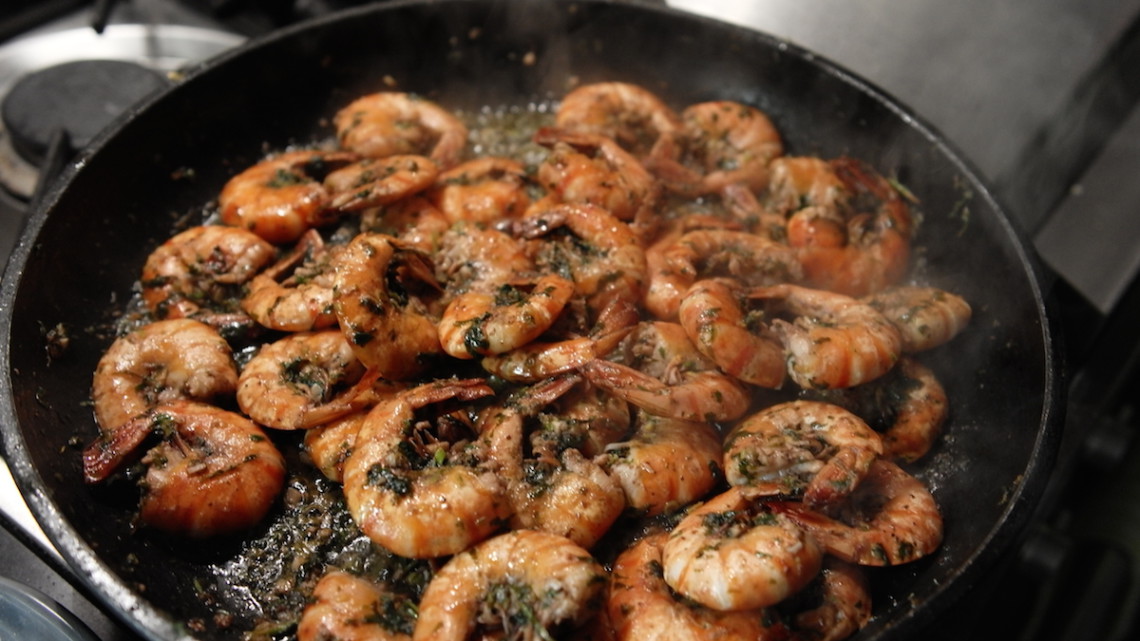
Prawns with Sumac and Grilled Fennel - Persiana
Persiana has taken the culinary world by storm. Sabrina Ghayour grew up in an Iranian family and was brought up on Persian food. Through hosting supper clubs, at which she served her style of Middle Eastern cuisine, her first cookbook was born.
We absolutely adore this type of food. It's about bringing people together over large plates, helping themselves and interacting with others. The recipes make use of easily available ingredients but combining them in amway to achieve authentic flavours.
We cooked her recipe for Prawns with Sumac, Coriander, Lemon and Garlic. An absolute winner of a dish. We made a couple of adjustments - you'll find our feedback under the original recipe.
Prawns with Sumac, Coriander, Lemon and Garlic
Serves 4
Ingredients
6 tablespoons olive oil
grated rind of 2 lemons and juice of 1/2
2 tablespoons sumac
5 large garlic cloves, bashed, peeled and thinly sliced
1 x 20 g packet coriander, stalks and leaves finely chopped
sea salt and freshly ground black pepper
800 g large raw peeled tiger prawns
Method
Select a wide, shallow vessel in which to make your marinade. Put in the olive oil, then add the lemon rind, sumac, garlic and coriander. Season well with a generous amount of sea salt and black pepper, add lemon juice and mix the ingredients together well.
Place the prawns in the marinade and mix well to ensure they are evenly coated, then cover the dish with clingfilm and marinate for at least 30 minutes in the refrigerator if you can. Of course you can cook the prawns immediately, but a little marinating time will allow the flavours to permeate the prawns. As the marinade contains acid (lemon juice), I would not recommend marinating the prawns for longer than a few hours, as it may partially cook them (although they will be perfectly safe to eat).
Preheat a large frying pan over medium-high heat. Once it is hot, shake off the excess marinade from each prawn and place it straight into the frying pan. Cook the prawns for 2-3 minutes on each side until they turn pink and serve immediately.
Chefs notes: we adjusted the recipe a little to suit our tastes. We used 3 instead of 5 cloves of garlic, chopping them finely. We brought the amount of sumac back to a heaped teaspoon instead of 2 tablespoons and we served our prawns with grilled fennel, so that we had a vegetables accompaniment.
Publisher: Good Cook Publishing
Author: Sabrina Ghayour
Price: 24,95 euro