

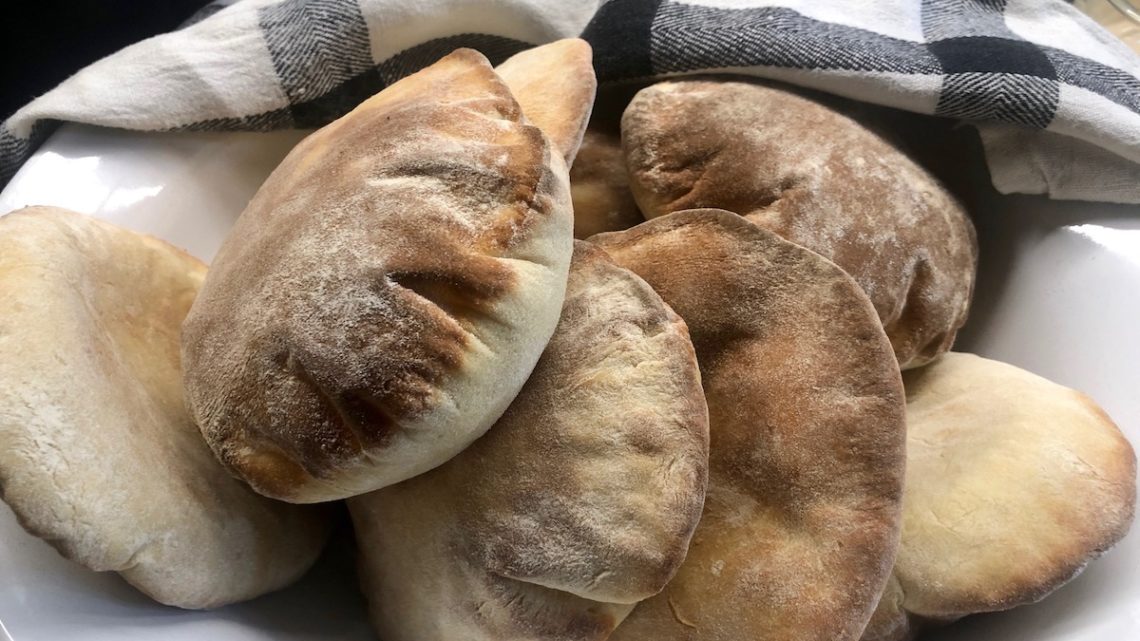
Homemade Pita Bread
Pita Bread
Makes 14 small or 10 large pita breads
Ingredients
500 g wheat flour, plus extra for dusting
25 g fresh yeast or 7 g instant dried yeast
15 g castor sugar
10 g salt
300 ml cold water
45 ml olive oil
Method
Place all the dry ingredients in the bowl of a mixer fitted with a dough hook. Mix all the ingredients and add the water and olive oil.
Knead for about 10 minutes on a low speed until the dough is elastic.
Place the dough on a wooden board, cover with a damp tea towel and allow to rise for about an hour or until doubled in size.
Dust the work surface with flour and cut the dough into 14 pieces of about 60 grams (for small pitas) or 10 pieces of about 80 grams (for large pitas).
Roll each portion of dough into a ball. Spread the dough balls over the work surface leaving enough space between them as they will expand. Cover once again with a damp tea towel and leave for about 20-20 minutes until they have doubled in size. In the meantime, preheat the oven to 240 C.
Roll the dough balls out with a rolling pin into circles with a 12 cm diameter for small pita breads and to 16 cm diameter for large ones. All the breads should be the same thickness so that they rise evenly in the oven.
Line 2 large baking trays with grease proof paper. Place on the dough circles and allow to rise for a further 10-15 minutes.
Bake the pita in the preheated oven for 8-10 minutes until well risen and ballooned. This usually means they are cooked through. To give them a good brown colour, you cam leave them in the oven for a further 1-2 minutes.
Remove the pita breads from the oven and place in a deep dish covered with a clean tea towel. This will ensure that the pita's get softer before serving.

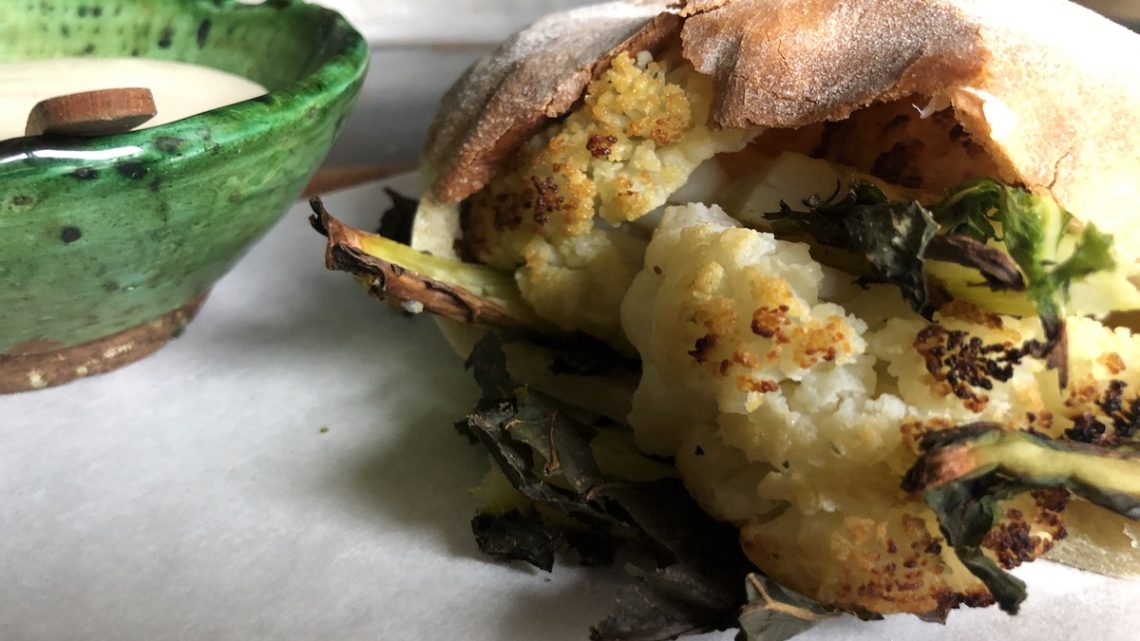
Eyal Shani's World Famous Roasted Cauliflower and Pita Breads
Most of you have come across the whole roasted cauliflower in some form or another. It's actually the creation of famous Israeli chef, Eyal Shani. It's served in his restaurants in Israel and around the world.
Here is the definitive recipe as well as a recipe for traditional pita breads to have alongside. After making these, you'll never buy pita from the supermarket again.
Roasted Cauliflower
Ingredients
2 small cauliflower with leaves attached
extra virgin olive oil
coarse sea salt
Method
Preheat an oven to 250 C.
Bring a large pan of salted water to the boil. Use 2 teaspoons salt per liter of water. Place the cauliflower with their leaves still attached upside down in the pan and cook the cauliflower for about 10 minutes.
Drain the cauliflower and allow to stand for a minute or so until all the water has drained out. Rub your hands with a generous amount of olive oil and massage it into the cauliflowers, then sprinkle them with coarse salt.
Scrunch up 2 pieces of grease proof paper and shape into 'bowls' to go around the cauliflowers. Roast them in the preheated oven for 20-25 minutes so that the top gets dark and charred.
Remove from the oven and drizzle with a little extra olive oil. You can also sprinkle over a little extra salt if you wish. Serve the cauliflower in the baking paper with a bowl of tahini and pita bread on the side.
Pita Bread
Makes 14 small or 10 large pita breads
Ingredients
500 g wheat flour, plus extra for dusting
25 g fresh yeast or 7 g instant dried yeast
15 g castor sugar
10 g salt
300 ml cold water
45 ml olive oil
Method
Place all the dry ingredients in the bowl of a mixer fitted with a dough hook. Mix all the ingredients and add the water and olive oil.
Knead for about 10 minutes on a low speed until the dough is elastic.
Place the dough on a wooden board, cover with a damp tea towel and allow to rise for about an hour or until doubled in size.
Dust the work surface with flour and cut the dough into 14 pieces of about 60 grams (for small pitas) or 10 pieces of about 80 grams (for large pitas).
Roll each portion of dough into a ball. Spread the dough balls over the work surface leaving enough space between them as they will expand. Cover once again with a damp tea towel and leave for about 20-20 minutes until they have doubled in size. In the meantime, preheat the oven to 240 C.
Roll the dough balls out with a rolling pin into circles with a 12 cm diameter for small pita breads and to 16 cm diameter for large ones. All the breads should be the same thickness so that they rise evenly in the oven.
Line 2 large baking trays with grease proof paper. Place on the dough circles and allow to rise for a further 10-15 minutes.
Bake the pita in the preheated oven for 8-10 minutes until well risen and ballooned. This usually means they are cooked through. To give them a good brown colour, you cam leave them in the oven for a further 1-2 minutes.
Remove the pita breads from the oven and place in a deep dish covered with a clean tea towel. This will ensure that the pita's get softer before serving.
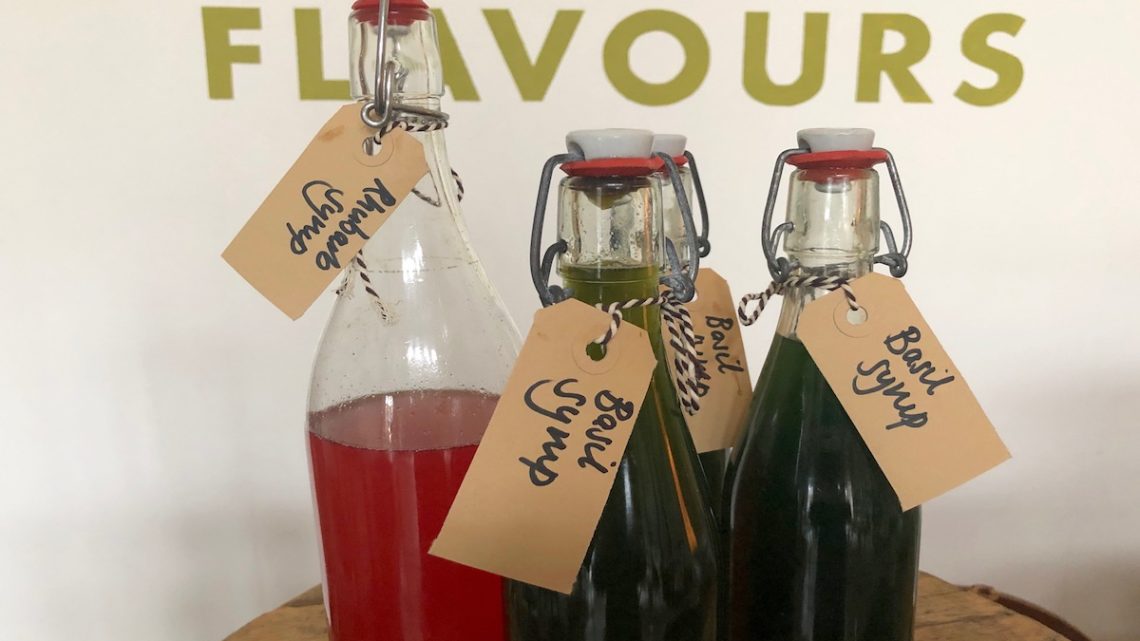
Rhubarb and Basil Syrups
Flavoured syrups are great ways to make mocktails or other flavoured drinks. They keep well for a few weeks in the fridge and only require a few ingredients.
Here are 2 recipes, one for a rhubarb syrup and one for a basil syrup. Great flavours for spring and also here are great mocktail ideas .
Rhubarb syrup
Ingredients
1,25 kg fresh or frozen chopped rhubarb
500 ml water
500 g sugar
1 vanilla pod
Place the rhubarb in a pan with the sugar, water and vanilla. Bring to the boil, simmer for a few minutes and strain so that you have a clear pink syrup. Cool, pour into a bottle and store in the fridge.
To make a cocktail, mix 30 ml of the syrup with about 120 ml sparkling water. Add ice and garnish with mint leaves.
Basil syrup
500 g water
500 g sugar
50g basil
Kombucha and basil mocktail
1 bottle ginger kombucha
3 slices ginger
Black pepper
Place water and sugar in a saucepan, heat until boiling, then cool. Add basil to the syrup and blend.
Peel the ginger and cut into slices about 5mm thick.
Put two slices of ginger and the 30 ml basil syrup into a glass. Add ice cubes. Pour in about 150 ml kombucha. Mix it all through and grind black pepper on top. Serve immediately.
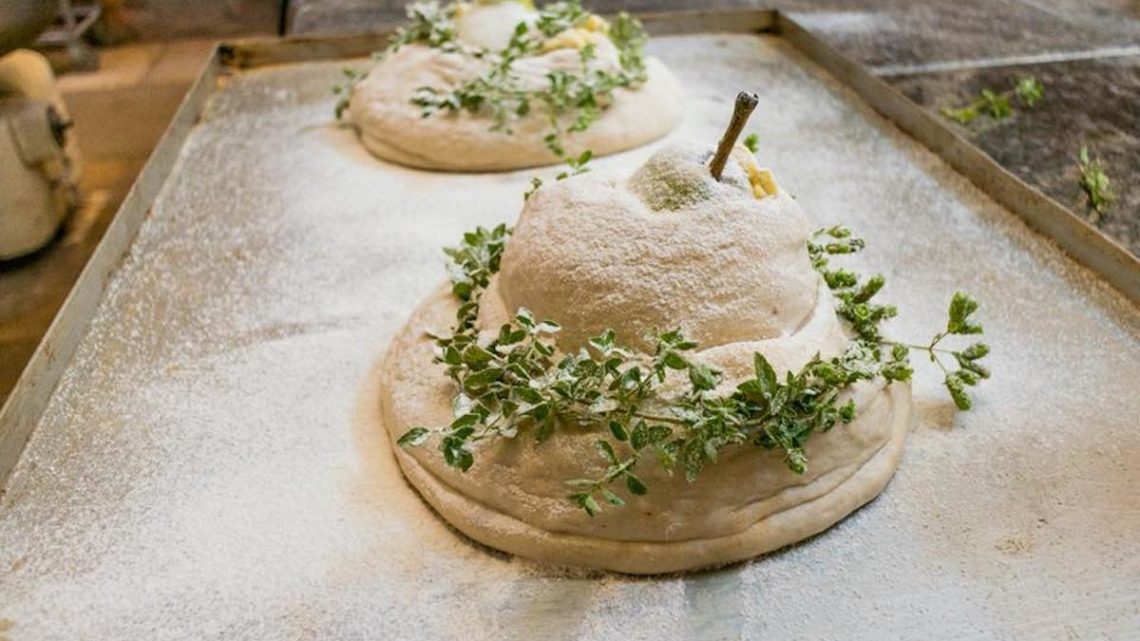
Pear bread
600 g - 1kg strong white bread flour
1 x 7 g sachet of dried yeast
300 g strong white bread flour
350 g strong white bread flour , plus extra for dusting
oil , for greasing
- For the starter, combine 200g of the flour with 200ml of lukewarm water in a non-metallic container – a glass jar is perfect. Leave it somewhere warm uncovered overnight.
- The following day, feed it by discarding half and adding a further 100g of flour and 100ml of lukewarm water.
- Repeat this feeding process each day until you see bubbles throughout the mixture (this is where a glass jar comes in handy). It will take a few days, possibly more, for the mixture to pick up the natural airborne yeasts and really start living. Don’t lose hope, it will happen!
- Removing 100g of the starter to make your loaf, chill the rest, covered but with a hole for it to breathe. You’ll need to feed this once a week – bring it up to room temperature first, allow it to bubble up, then recede (somewhere warm) for 30 minutes to 1 hour, then return it to the fridge within an hour or so. A liquid layer may develop on top, called hooch; stir it in if you like, or pour it off.
- To make the sponge, bring the 100g of starter up to room temperature.
- Combine the 300g flour and ½ teaspoon of sea salt in a bowl, then add 300ml of warm water and the starter.
- Cover with a towel and leave it to rise somewhere warm for 3 to 4 hours, or until doubled in size.
- In the meantime, top up the starter with 50g of flour and 50ml of lukewarm water (the weight you removed), allow it to bubble up and down as in step 3, then return it to the fridge.
- Either use your sponge straight away or chill it, covered, overnight.
- Now to make the sourdough bread. Bring the sponge up to room temperature (if needs be), combine it with the flour and 2 teaspoons of salt, then turn it out onto a floured surface.
- Knead for 10 minutes, or until smooth and elastic. Put the dough in a lightly oiled bowl, cover and leave to rise in a warm place for 2 to 3 hours, or until doubled in size.
- Tip the dough onto a floured surface, knock out the air, then shape it into a round loaf, placing the pear inside on an oiled baking sheet.
- Wrap the thyme around as crown, over and prove for about 1 hour in a warm place, or until it doesn’t spring back when prodded.
- Preheat the oven to 220°C.
- When the dough is ready, place a tray of water in the base of the oven (this will help it develop a good crust) and score the top of the loaf with a sharp knife.
- Bake for 30 to 40 minutes until golden and sounds hollow when tapped. Cool on a wire rack.
Delicious served with blue cheese.
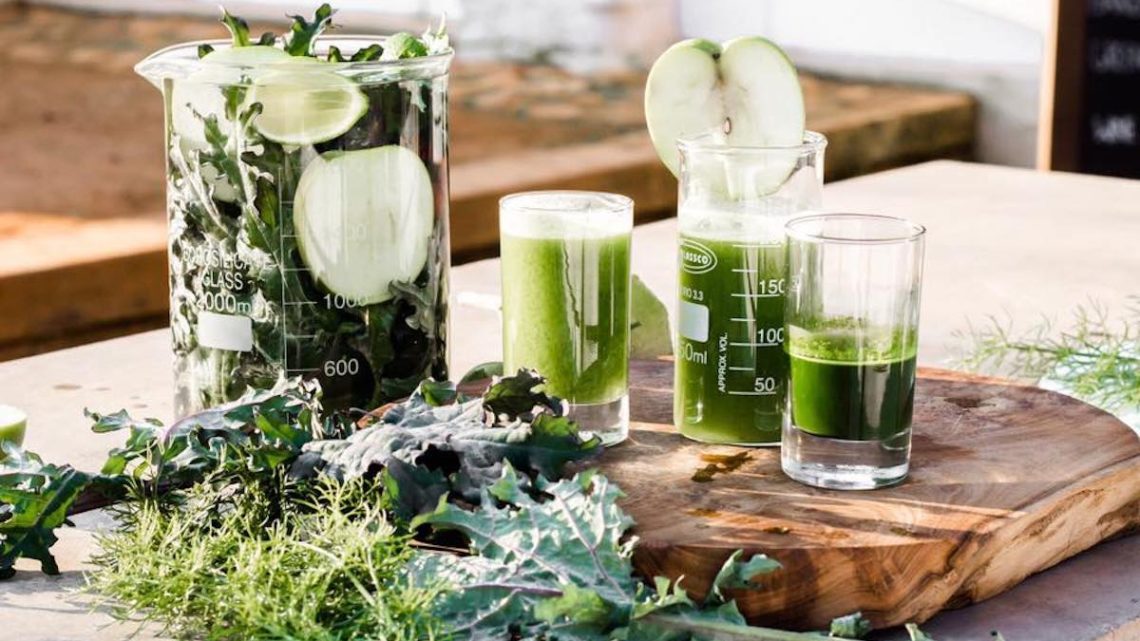
Green smoothies
4 Large Apples
6 Celery Stalks
2 Kale Leaves
Wash the ingredients under running water.

Madeleines
Matcha (green tea) Madeleines
Makes about 12
Ingredients
100g caster sugar
100g flour
1 egg
Lemon zest and juice of ½ lemon
¾ teaspoon baking powder
½ teaspoon matcha powder
100g butter and some extra for greasing the tin
Method
1 Preheat oven to 200 C˚. Melt the butter in a small pan and grease the baking tin. Sprinkle lightly with some flour, shaking off the excess. Mix the dry ingredients together.
2 Whisk the eggs and sugar in a bowl until light and fluffy. Fold the dry ingredients carefully carefully through the beaten eggs followed by the melted butter. Let stand for 15 minutes.
3 Fill each mold in the Madeleine baking tin ¾ full with the batter. Bake in the oven for 8-9 minutes or until cooked through. Leave them to cool for 1 minute in the tin and then gently remove. Put them on a rack to cool and sprinkle with icing sugar.
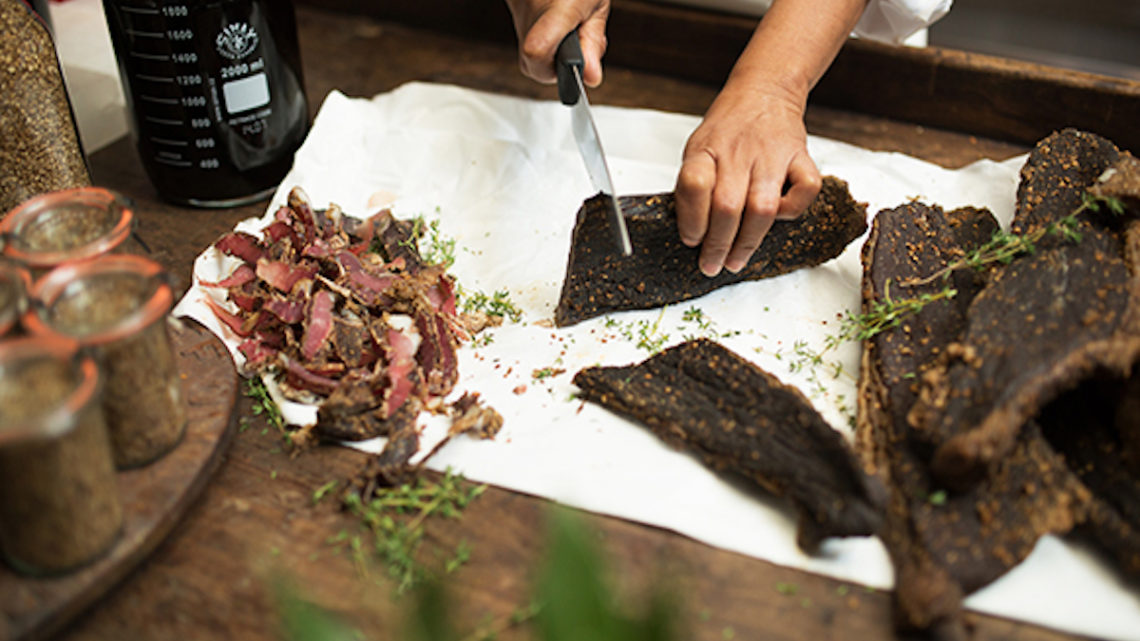
Biltong
Biltong is a form of dried, cured meat that originated in Southern African countries (South Africa, Zimbabwe and Zambia). Various types of meat are used to produce it, ranging from beef and game meats to fillets of meat cut into strips following the grain of the muscle, or flat pieces sliced across the grain. It is related to beef jerky in that they are both spiced, dried meats; however, the typical ingredients, taste and production processes may differ.
The word biltong is from the Dutch bil ("buttock”") and tong ("strip" or "tongue").
Meat preservation as a survival technique dates back to ancient times. Indigenous peoples of Southern Africa, such as the Khoikhoi, preserved meat by slicing it into strips, curing it with salt, and hanging it up to dry. European seafarers preserved meat for their long journeys by curing meat in salt or brine. European settlers (Dutch, German, French) who arrived in southern Africa in the early 17th century used vinegar in the curing process, as well as saltpetre (potassium nitrate). The potassium nitrate in saltpeter kills Clostridium botulinum, the deadly bacterium that causes botulism while the acidity of the vinegar inhibits its growth. According to the World Health Organization, C. botulinum will not grow in acidic conditions (pH less than 4.6), therefore the toxin will not be formed in acidic foods. The antimicrobial properties of certain spices have also been drawn upon since ancient times. The spices introduced to biltong by the Dutch include pepper, coriander, and cloves.
The need for food preservation in South Africa was pressing. Building up herds of livestock took a long time, but with game in abundance in South Africa, traditional methods were called upon to preserve the meat of large African animals such as the eland in a warm climate. Iceboxes and refrigerators had not been invented yet. Biltong as it is today evolved from the dried meat carried by the wagon-travelling Voortrekkers, who needed stocks of durable food as they migrated from the Cape Colony north and north-eastward (away from British rule) into the interior of Southern Africa during the Great Trek. The meat was preserved and hung to be dried for a fortnight during the colder winter, with the cold temperatures aiding to further inhibit bacterial and fungal growth. Once suitably dried, the biltong was ready for packing in cloth bags, which allow air circulation to prevent mould.
While biltong is usually eaten as a snack, it can also be diced up into stews, or added to muffins or pot bread. Biltong-flavoured potato crisps have also been produced, and there are cheese spreads with biltong flavour. Finely shredded biltong is eaten on slices of bread and in sandwiches.
Biltong can be used as a teething aid for babies.
Biltong is a high-protein food.
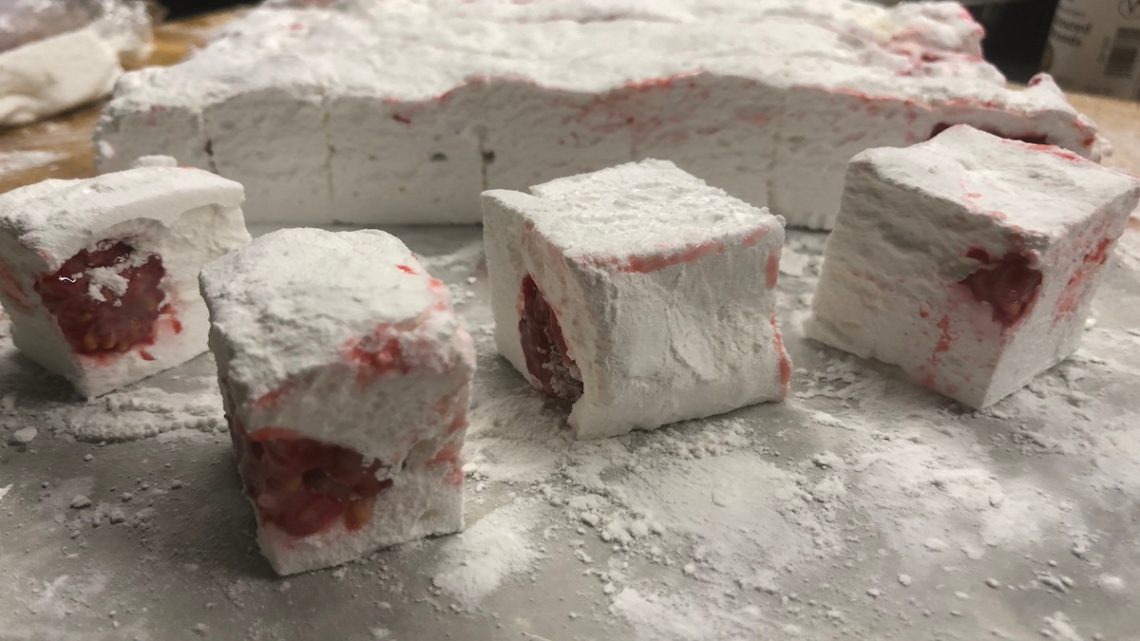
Marshmallow with raspberries
Ingredients
2 egg whites
12 leaves gelatine
pinch of salt
500 g castor sugar
350 ml water
1 tablespoon flavourings rose water
1 punnet fresh raspberries
Method
Put the sugar and water in a pan and boil until they reach 127 C. Begin to beat the egg whites in an electric mixer when the sugar is at 121C. Soften the gelatine leaves is water and then dissolve the gelatine in the hot syrup.
Pour the syrup slowly on to the whisked egg whites and add the rosewater. Let it whisk until cold and working quickly, pour half the marshmallow mixture into a tin or container dusted with a mixture of equal quantities of cornstarch and icing sugar. Lay the raspberries on top and cover with the remaining marshmallow mixture. Let it cool completely and then cut into cubes. Dust with the cornstarch/sugar mixture and serve. Store, refrigerated, in an airtight container.
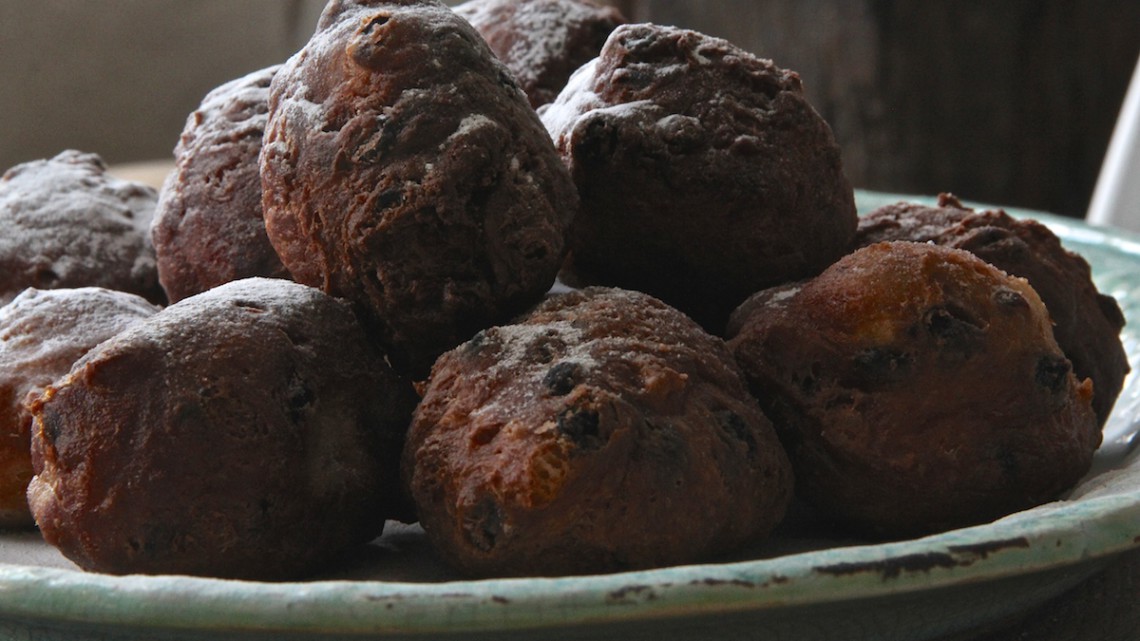
Traditional Oliebollen
An oliebol is a traditional Dutch food. They are called oliebollen (literally oil spheres) in the Netherlands. In English they are more commonly known as Dutch Doughnuts or Dutchies.
Oliebollen are a variety of dumpling made by using an ice-scooper or two spoons to scoop a certain amount of dough and dropping the dough into a deep fryer filled with hot oil. In this way, a sphere-shaped oliebol emerges. Oliebollen are traditionally eaten on New Year's Eve and at funfairs. In wintertime, they are also sold in the street at mobile stalls.
Makes about 25
Ingredients
125 g golden raisins
75 g currants
50 g butter
500 ml buttermilk
10 g dried yeast
2 Tablespoons sugar
500 g flour
1 egg
1 teaspoon salt
1 litre sunflower oil
cinnamon-sugar or icing sugar for dusting
Method
Place the dried fruit in a bowl and pour over 300 ml boiling water. Allow the fruit to swell up for 15 minutes, then pour off the water.
In the meantime, gently heat the buttermilk and butter in a saucepan over low heat until lukewarm. Place the yeast and sugar in a bowl and stir in the warmed buttermilk.
Place the flour and salt in a bowl and make a well in the centre. Beat the egg in a small bowl. Add the yeast mixture and beaten egg to the flour and mix to a thick batter.
Roughly chop the fruit and add to the batter and mix well. Cover the bowl with a damp tea towel and leave in a warm place to rise for about 1 hour.
Heat the oil in a large pan or deep fryer to 180 C. Dip an ice cream scoop or 2 tablespoons in the oil to prevent the batter from sticking and drop the spoonfuls in the oil. Fry for about 6 minutes until golden brown and cooked through.
Drain the oliebollen on kitchen paper and roll in cinnamon sugar or dust with icing sugar. Serve with a glass of champagne or sparkling wine and toast the new year in.
We, the Amsterdam Flavours chefs, hope you enjoy this recipe as much as we do. If you have any questions on how to prepare it or just want to send us your feedback, you can reach us here Contact Amsterdam Flavours
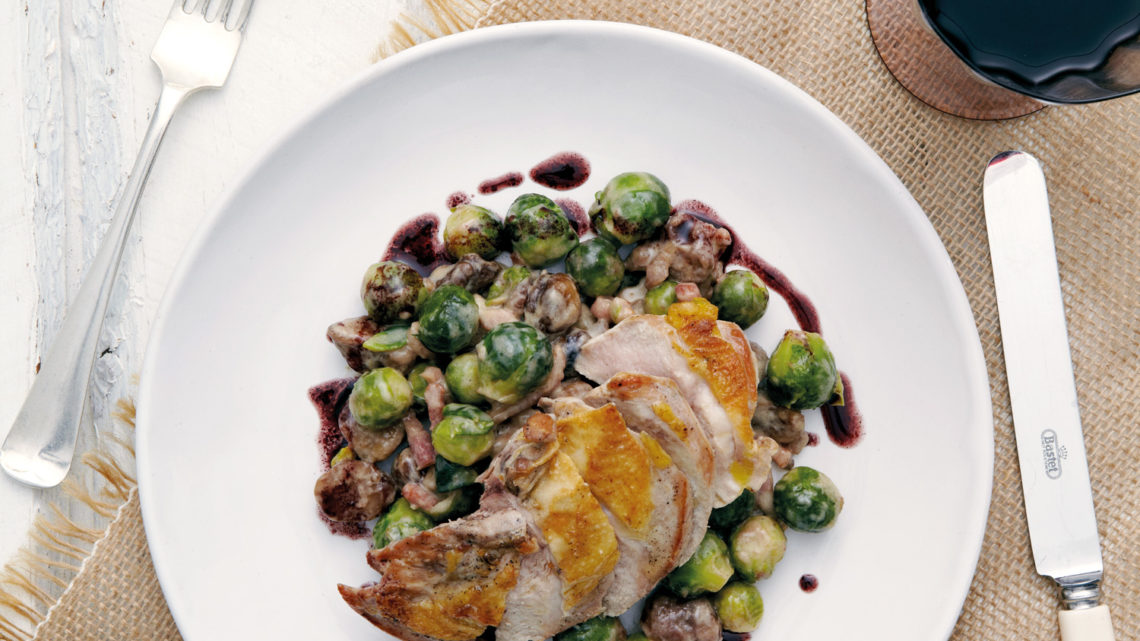
Pheasant with Creamy Brussel Sprouts, Chestnuts and Bacon
With just a few more weeks to go until Christmas, it's time to find ideas of what to serve. This is a delicious main course using pheasant, a great change from the traditional turkey or ham. This dish is also quick and simple to prepare and won't require hours of slaving in the kitchen.
Serves 2
Ingredients
3 pheasant breasts
100 gr pack vacuum packed chestnuts
100 gr lardons
250 gr Brussel sprouts
125 ml tub cream
20 gr cube butter
3 tablespoons olive oil
75 ml red wine
75 ml port
salt
pepper
Method
Bring a pot of salted water to the boil. Add the Brussel sprouts to the pot and cook for 2 minutes. Transfer the sprouts to a bowl of cold water to stop the cooking.
Heat a frying pan over medium heat with 1 tablespoon olive oil and fry the lardons until golden brown. Check the pheasant breasts for any shot (little pieces of bullet).
Add the chestnuts and Brussel sprouts and fry for 1 minute. Add the cream, salt and pepper and leave over a low heat.
Season the pheasant breasts with salt and pepper. Heat a frying pan over medium heat with 2 tablespoons olive oil. Lay the pheasant, skin-side down in the pan and fry for 2 minutes. Turn over and fry for a further 1 minute (the pheasant breasts should still be pink inside).
Remove the pheasant from the pan and set aside. Deglaze the pan with 75 ml red wine and 75 ml port and reduce until the sauce becomes thicker. Stir 1 cube butter through. Slice the pheasant breasts diagonally. Spoon the creamy Brussel sprouts and chestnuts in the middle of 2 plates. Lay the pheasant on top and spoon over the sauce.